Blog
A Practical Buyer’s Guide to Loose Leaf Green Tea: 7 Key Factors for Your First Purchase in 2026

Abstract
This article provides a comprehensive examination of loose leaf green tea, intended to equip both novices and experienced drinkers with the knowledge required for discerning selection and optimal preparation. It moves beyond a superficial overview, engaging with the botanical, chemical, and cultural dimensions that define this beverage. The analysis is structured around seven pivotal factors for evaluation: the vast spectrum of green tea varieties from Japan and China, the profound influence of geographical origin (terroir) on flavor, the physical characteristics of the tea leaf as an indicator of quality, the precise science of brewing, practices for maintaining freshness, the unique psychoactive properties derived from caffeine and L-theanine, and a practical framework for making an informed purchase in the contemporary market. By systematically exploring these elements, this guide aims to cultivate a deeper appreciation for the complexities of green tea and to empower consumers to navigate their choices with confidence and sensory awareness.
Key Takeaways
- Control water temperature and steeping time to avoid bitterness.
- Explore the flavor differences between steamed and pan-fired teas.
- Store your loose leaf green tea in an airtight, dark container.
- Whole, unbroken leaves generally indicate higher quality and flavor.
- Understand a tea’s origin to better anticipate its taste profile.
- Read labels for freshness dates, origin details, and certifications.
Table of Contents
- Understanding the Essence of Loose Leaf Green Tea
- Factor 1: Navigating the Diverse World of Green Tea Varieties
- Factor 2: The Significance of Origin and Terroir in Shaping Flavor
- Factor 3: Decoding Leaf Grades and Physical Appearance
- Factor 4: The Art and Science of a Perfect Brew
- Factor 5: Assessing Freshness and the Imperative of Proper Storage
- Factor 6: The Unique Synergy of Caffeine and L-Theanine
- Factor 7: Making an Informed and Personal Purchase in 2026
- Frequently Asked Questions (FAQ)
- Conclusion
- References
Understanding the Essence of Loose Leaf Green Tea
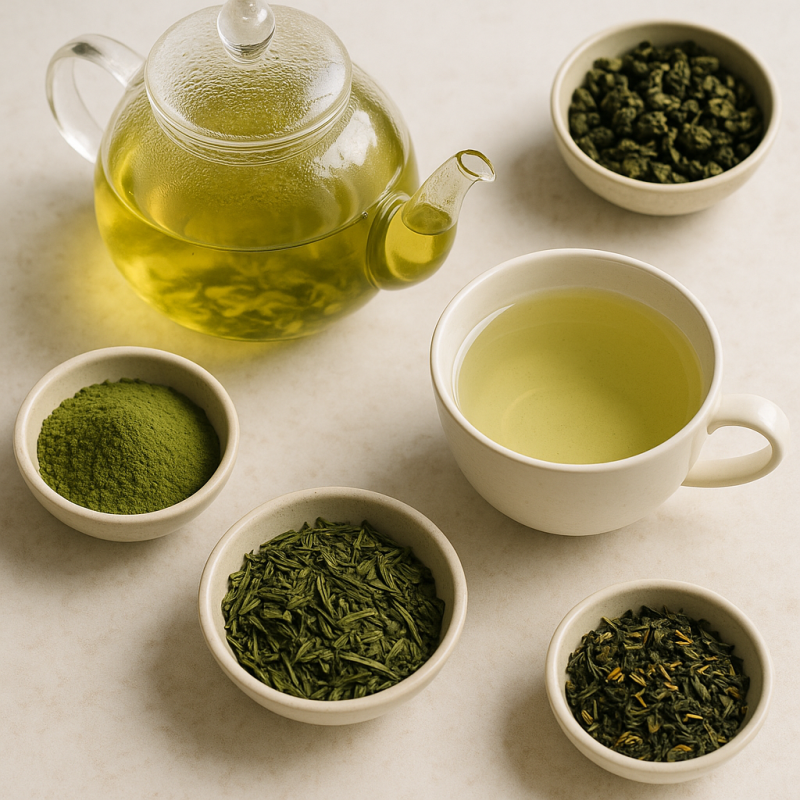
To begin an inquiry into the world of loose leaf green tea is to engage in an act of sensory and intellectual rediscovery. Many of us have a history with tea, but it is often a history defined by the paper tea bag—a convenient, yet fundamentally compromising, vessel. The experience of brewing whole or large-cut leaves, free from the confines of a bag, offers a radically different engagement with the plant Camellia sinensis. It is a shift comparable to moving from a print of a great painting to standing before the original canvas; the colors are more vivid, the textures are apparent, and the artist’s intention is felt with far greater immediacy.
What Sets It Apart from Tea Bags?
The primary distinction between loose leaf tea and its bagged counterpart lies in the physical form of the tea itself. Most tea bags are filled with “fannings” or “dust,” which are the smallest particles of tea leaves left over from the processing of higher-grade teas. Imagine a carpenter’s workshop; the beautiful planks and boards are used for fine furniture, while the sawdust is swept up. In the world of tea, loose leaf varieties are the fine planks, and tea bag contents are often the sawdust.
This difference in particle size has profound consequences for the resulting brew. The small surface area of dust and fannings leads to a very rapid, often aggressive, infusion when hot water is added. This quick release extracts tannins and other bitter compounds (a class of polyphenols known as catechins) at an accelerated rate, which is why bagged tea can so easily become astringent and one-dimensional. The bag itself can also constrain the leaves, preventing them from fully expanding and releasing their complete range of aromatic compounds. Some bags, particularly those made with bleached paper or plastics, may even impart their own undesirable taste to the water.
In contrast, loose leaf tea consists of whole or large, broken leaves. When steeped, these leaves have the space to unfurl and rehydrate, sometimes expanding to their original size. This gentle, slow expansion allows for a more nuanced and controlled infusion. The water can circulate freely, extracting a complex array of soluble compounds—from the sweet and savory amino acids like L-theanine to the vegetal and floral aromatic oils—in a more balanced sequence. The result is a cup with significantly more depth, aroma, and a smoother, more complex flavor profile. The difference is not one of mere preference but of qualitative substance.
The Journey from Leaf to Cup: Minimal Oxidation
All true teas—be they black, oolong, white, or green—originate from the same plant species, Camellia sinensis. The remarkable diversity of tea types is not due to different plants, but to different processing methods applied to the leaves after they are harvested. The central mechanism at play here is oxidation, a series of chemical reactions that occur when the enzymes inside the tea leaf are exposed to oxygen. It’s the same process that causes a sliced apple to turn brown.
Black tea is fully oxidized. The leaves are rolled or crushed to break their cell walls and then allowed to react with oxygen for an extended period, which develops deep, malty, and fruity flavors while turning the leaves a dark brown or black. Oolong teas are partially oxidized, existing on a wide spectrum between green and black teas.
Green tea, however, is defined by its near-complete lack of oxidation. The goal of green tea processing is to preserve the fresh, vibrant character of the leaf as it was on the bush. To achieve this, immediately after harvesting, the leaves are subjected to a heat treatment that denatures the enzymes responsible for oxidation. This crucial step is called “kill-green” or “fixing.” The method used for this heat application is the primary reason for the flavor distinction between the two major families of green tea.
In Japan, the standard method is steaming . The leaves are briefly treated with hot steam, which imparts a distinctly vegetal, savory, and often marine-like quality to the tea, while preserving a bright, vibrant green color. In China, the more common method is pan-firing or roasting in a large wok or rotating drum. This dry heat application gives Chinese green teas a warmer, toastier, sometimes nutty or floral character, and the leaves tend to be a duller, more olive-toned green.
By halting oxidation so early in the process, green tea retains a higher concentration of certain compounds, particularly the fresh-tasting amino acid L-theanine and the more delicate, vegetal-tasting catechins, compared to more oxidized teas. This chemical profile is directly responsible for the characteristic flavor palette of loose leaf green tea: a brew that is bright, refreshing, and deeply connected to the living essence of the tea plant.
Factor 1: Navigating the Diverse World of Green Tea Varieties
Embarking on the exploration of green tea is akin to learning the geography of a new continent; the landscape is vast and varied, with each region offering its own unique character and treasures. The primary dividing line in this world, as we have touched upon, is the processing method: the steamed teas of Japan and the pan-fired teas of China. Understanding this fundamental difference is the first step toward navigating the myriad of specific tea types available from purveyors like and .
Japanese Green Teas: Steamed and Savory
Japanese green teas are celebrated for their umami-rich profiles, a savory taste sensation often described as brothy or mouth-watering. This is a direct result of the steaming process, which preserves a high level of amino acids, particularly L-theanine, in the leaf.
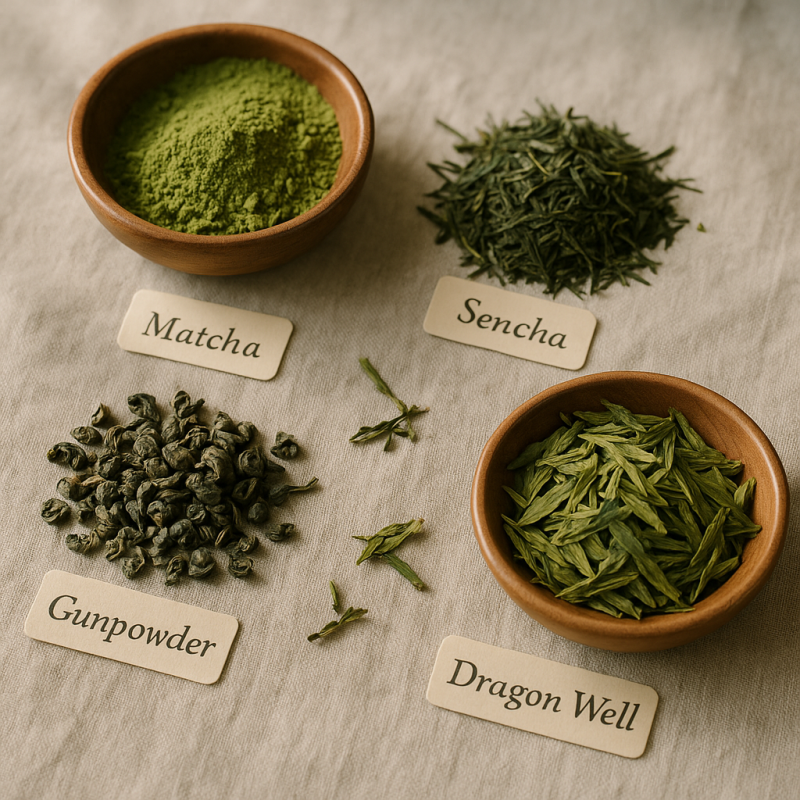
- Sencha: The quintessential Japanese green tea, Sencha accounts for the vast majority of tea produced and consumed in Japan. It is made from leaves that are grown in direct sunlight, steamed, rolled into a needle-like shape, and dried. The flavor of Sencha can vary widely based on its quality, region, and harvest time, but it is typically characterized by a refreshing balance of sweetness, astringency, and a distinct umami or grassy flavor. A well-brewed cup of high-quality Sencha is a vibrant, life-affirming experience.
- Gyokuro: Often referred to as “jade dew,” Gyokuro is a premium, shade-grown tea. For approximately three weeks before harvest, the tea bushes are covered with screens to block out most of the direct sunlight. This shading process forces the plant to produce higher levels of chlorophyll and L-theanine, while reducing the production of catechins (which cause bitterness). The result is a tea with an intensely sweet, thick, and concentrated umami flavor, with very little astringency. Its deep green infusion and profound savory character make it one of the most prized teas in Japan.
- Matcha: While many are familiar with Matcha’s powdered form, it is important to understand its origins as a shade-grown green tea. Like Gyokuro, the leaves for Matcha are shaded before harvest. After steaming and drying, however, the leaves are de-stemmed and de-veined to create a product called tencha. This tencha is then stone-ground into the fine, talc-like powder we know as Matcha. Because you are consuming the entire leaf rather than just an infusion of it, a bowl of Matcha delivers a much more potent concentration of nutrients, caffeine, and L-theanine. Its flavor is intensely rich, creamy, and savory-sweet.
- Genmaicha and Hojicha: Not all Japanese teas are purely vegetal. Genmaicha is a blend of Sencha or Bancha (a later-harvest tea) with roasted brown rice, some of which has popped like popcorn. It has a wonderfully comforting, nutty, and savory flavor that balances the grassiness of the green tea. Hojicha, on the other hand, is a roasted green tea. Bancha or Kukicha (twig tea) leaves are roasted over charcoal, which transforms their flavor profile entirely. The roasting process lowers the caffeine content and eliminates most of the astringency, resulting in a reddish-brown infusion with a toasty, nutty, almost coffee-like character that is very gentle on the stomach. Both are available from specialized vendors such as .
Chinese Green Teas: Pan-Fired and Toasty
Chinese green teas offer a different, but equally complex, sensory world. The pan-firing process yields flavors that are less grassy and more reminiscent of toasted nuts, sweet florals, and warm earth. The variety in leaf shape is also astounding, a testament to the artisanal craft involved.
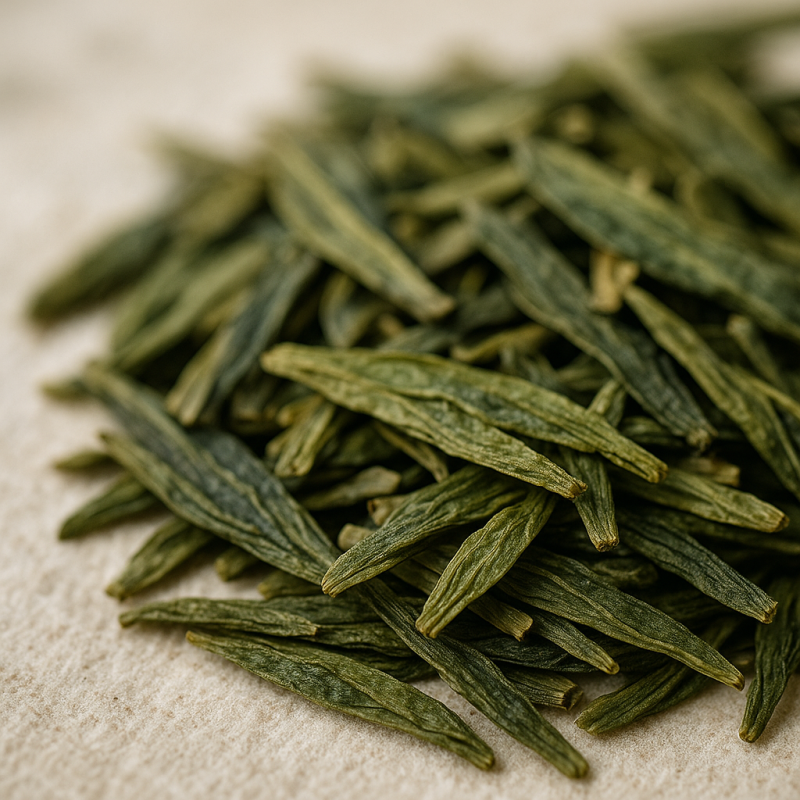
- Longjing (Dragon Well): Perhaps the most famous of all Chinese green teas, Longjing comes from the area around Hangzhou in Zhejiang province. Its distinctive flat, sword-shaped leaves are a result of being pressed against the inside of a hot wok during the firing process. A high-quality Dragon Well tea has a mellow, smooth, and remarkably complex flavor profile, with notes of toasted chestnuts, sweet peas, and a buttery texture. It is a tea of profound subtlety and lingering sweetness.
- Gunpowder: This tea is named for its appearance; each leaf is tightly rolled into a small, dark pellet that resembles old-fashioned gunpowder . When steeped, these pellets unfurl dramatically, releasing a bold, strong flavor. The taste is often described as slightly smoky, with a sharp, crisp finish. Its robust character makes it a popular base for mint tea, particularly in North Africa (Moroccan Mint). The tight rolling of the leaves also helps them retain their freshness for longer periods.
- Bi Luo Chun (Green Snail Spring): Hailing from the Dongting mountain region in Jiangsu, Bi Luo Chun is a delicate and aromatic tea. It is harvested very early in the spring, and the tiny, tender leaves are covered in a fine white down. The leaves are rolled into a tight spiral shape, resembling a snail’s shell. When brewed, it produces a fragrant infusion with pronounced fruity and floral notes, often compared to apricots or plums.
Exploring a diverse range of premium loose leaf green teas is the best way to develop your palate and discover these nuances firsthand.
Scented and Blended Varieties
Beyond the pure, unadulterated teas, there exists a beautiful tradition of scenting and blending.
- Jasmine Green Tea: This is not a “flavored” tea in the artificial sense. True Jasmine tea is created by a natural scenting process. In the evening, when jasmine blossoms open and are at their most fragrant, they are layered with finished green tea leaves. The tea naturally absorbs the jasmine’s exquisite floral aroma overnight. This process can be repeated several nights in a row to achieve a deeper fragrance. The highest grades, like Jasmine Dragon Pearls, consist of tender green tea shoots hand-rolled into small balls that unfurl in the water . The quality of the base tea is just as important as the quality of the jasmine flowers.
The table below offers a simplified comparison to help organize these foundational categories.
| Feature | Japanese Green Teas | Chinese Green Teas |
|---|---|---|
| “Kill-Green” Method | Steaming | Pan-firing, Roasting, or Baking |
| General Flavor Profile | Vegetal, Grassy, Savory (Umami), Marine | Toasty, Nutty, Floral, Earthy, Sweet |
| Color of Infusion | Vibrant Green to Yellow-Green | Pale Yellow to Golden-Green |
| Common Varieties | Sencha, Gyokuro, Matcha, Genmaicha | Longjing (Dragon Well), Gunpowder, Bi Luo Chun |
Factor 2: The Significance of Origin and Terroir in Shaping Flavor
The concept of terroir, a term borrowed from the world of wine, is of paramount importance in understanding the nuances of high-quality tea. Terroir encompasses all the environmental factors that affect a crop’s phenotype—its observable characteristics—including the unique geography, geology, and climate of a specific place. For tea, this means the soil composition, the altitude at which it is grown, the amount of rainfall and sunlight it receives, the surrounding flora, and even the slope of the hill it grows on. Just as a Pinot Noir from Burgundy, France tastes distinctly different from one grown in Oregon, a green tea from Shizuoka, Japan will possess a character entirely different from one grown in Hangzhou, China, even if the plant varietal is similar.
How Geography Shapes Flavor
The influence of geography on tea’s flavor is not mystical; it is a matter of chemistry. Different environmental conditions cause the tea plant, Camellia sinensis, to produce different concentrations and combinations of chemical compounds, which in turn dictate the taste and aroma of the final product.
- Altitude: Teas grown at higher elevations, like many from Taiwan or Darjeeling, often grow more slowly due to the cooler temperatures and misty conditions. This slower growth concentrates the aromatic oils in the leaves, leading to more complex and floral bouquets. The stress of the environment can also cause the plant to produce more polyphenols, contributing to a brisk and structured flavor profile.
- Soil: The mineral content of the soil directly impacts the nutrients available to the tea plant. For example, the volcanic soils of Kyushu in Japan are rich in minerals that contribute to the deep, savory character of the teas grown there. The specific pH and drainage of the soil also play a crucial role in the health of the plant and the development of its root system, affecting how it absorbs nutrients and water.
- Climate and Sunlight: The amount of sunlight a tea plant receives has a direct impact on the balance between amino acids (L-theanine, which creates sweetness and umami) and catechins (polyphenols, which create astringency and bitterness). More sunlight encourages the plant to convert L-theanine into catechins. This is why shade-grown teas like Gyokuro and Matcha have such high levels of umami; the lack of sun preserves the L-theanine. Similarly, teas harvested in the early spring, after a long winter dormancy and during a period of gentler sunlight, are prized for their sweetness and complexity. The first flush harvest, or ichiban-cha in Japan, is the most sought-after for this reason.
Notable Green Tea Regions: A Comparative Look
To make the concept of terroir more concrete, let us compare two of the most famous green tea-producing regions in the world: Shizuoka Prefecture in Japan and the area around Hangzhou in China.
Shizuoka Prefecture, Japan: Located at the foot of Mount Fuji, Shizuoka is the largest tea-producing region in Japan. Its proximity to the coast, with its warm currents and sea breezes, creates a climate that is ideal for tea cultivation. The region produces a wide variety of teas, but it is most famous for its Sencha.
- Terroir Influence: The combination of a temperate marine climate, ample rainfall, and fertile volcanic plains results in teas that are classically Japanese in their profile. The flavor is often described as being well-balanced, with a refreshing umami, a clean, mild astringency, and a bright, grassy aroma. There is a certain “freshness” to Shizuoka teas that many connoisseurs prize. Different areas within Shizuoka have their own microclimates; for instance, teas from the mountainous regions like Kawane are known for a more refined, aromatic character compared to those from the Makinohara plateau.
Hangzhou, Zhejiang Province, China: This region is the historic home of China’s most celebrated green tea, Longjing (Dragon Well). The area is characterized by the beautiful West Lake, surrounded by lush, rolling hills.
- Terroir Influence: The terroir of Hangzhou is quite different from Shizuoka. The climate is more humid and subtropical. The tea is grown on hillsides where the soil is slightly acidic and rich in minerals. A key feature of the local climate is the persistent fog that often blankets the West Lake area, which naturally diffuses the sunlight and helps maintain a high moisture level in the air and soil. This environment, combined with the traditional pan-firing process, contributes to Longjing’s signature flavor profile: a remarkably smooth, mellow, and gentle character with a distinct lack of grassiness. Instead, it has a toasty, nutty sweetness, often described as having notes of chestnut or soy milk, with a long, satisfying finish.
The contrast is clear: Shizuoka’s terroir, combined with steaming, produces a vibrant, savory, and grassy tea. Hangzhou’s terroir, combined with pan-firing, yields a soft, toasty, and nutty tea. Neither is “better” than the other; they are simply distinct expressions of place. Recognizing this fact is to appreciate tea on a deeper level, moving from a simple consumer to an engaged participant in a global agricultural and cultural tradition. This is why many specialty tea companies, such as zenithleaftea.com, emphasize their “single-origin” offerings, celebrating the unique identity of each tea’s birthplace.
Factor 3: Decoding Leaf Grades and Physical Appearance
In the pursuit of quality loose leaf green tea, one of the most direct and reliable methods of assessment is a careful examination of the dry leaves themselves. Before a single drop of water has touched them, the leaves can tell you a great deal about their origin, their processing, and the potential quality of the brew they will produce. This skill, the ability to “read the leaves,” is a foundational practice for any serious tea drinker. It moves the selection process from a reliance on marketing descriptions to a more grounded, empirical evaluation.
What Whole Leaves Signify About Quality
The single most important visual cue for quality in loose leaf tea is the integrity of the leaf. As a general rule, teas made from whole, unbroken leaves are of a higher quality than those consisting of small, broken pieces. There are several reasons for this.
First, whole leaves indicate careful handling throughout the entire production process, from plucking to final drying. Tea leaves are delicate. If they are harvested and processed roughly, they will break apart. A batch of tea that consists primarily of whole, well-formed leaves is a sign of artisanal care and attention to detail.
Second, as discussed earlier in the context of tea bags, leaf size directly affects the infusion process. Broken leaves have a much larger surface area relative to their mass, which causes them to release their chemical constituents—especially the bitter-tasting catechins—very quickly. This can easily lead to an over-extracted, astringent, and unbalanced cup. Whole leaves, by contrast, unfurl slowly and gracefully in the hot water. This allows for a more controlled and even extraction of flavors, creating a brew with more complexity, a smoother mouthfeel, and a sweeter finish. It allows the full story of the tea to be told, rather than just the first, loudest chapter.
Finally, the use of whole leaves often signifies that the tea was made from a better “pluck.” The highest quality teas are typically made from the youngest, most tender parts of the tea plant: the terminal bud and the first one or two leaves below it. These young shoots are the most concentrated in flavor, aroma, and beneficial compounds like L-theanine. It is much easier to maintain the integrity of these tender leaves during processing than it is for older, tougher leaves from lower on the plant. Therefore, a tea composed of whole, small, and delicate leaves is often an indicator of a superior raw material.
Reading the Leaves: Shape, Color, and Aroma
Once you have established that the tea is composed of mostly whole leaves, you can begin to examine its finer characteristics.
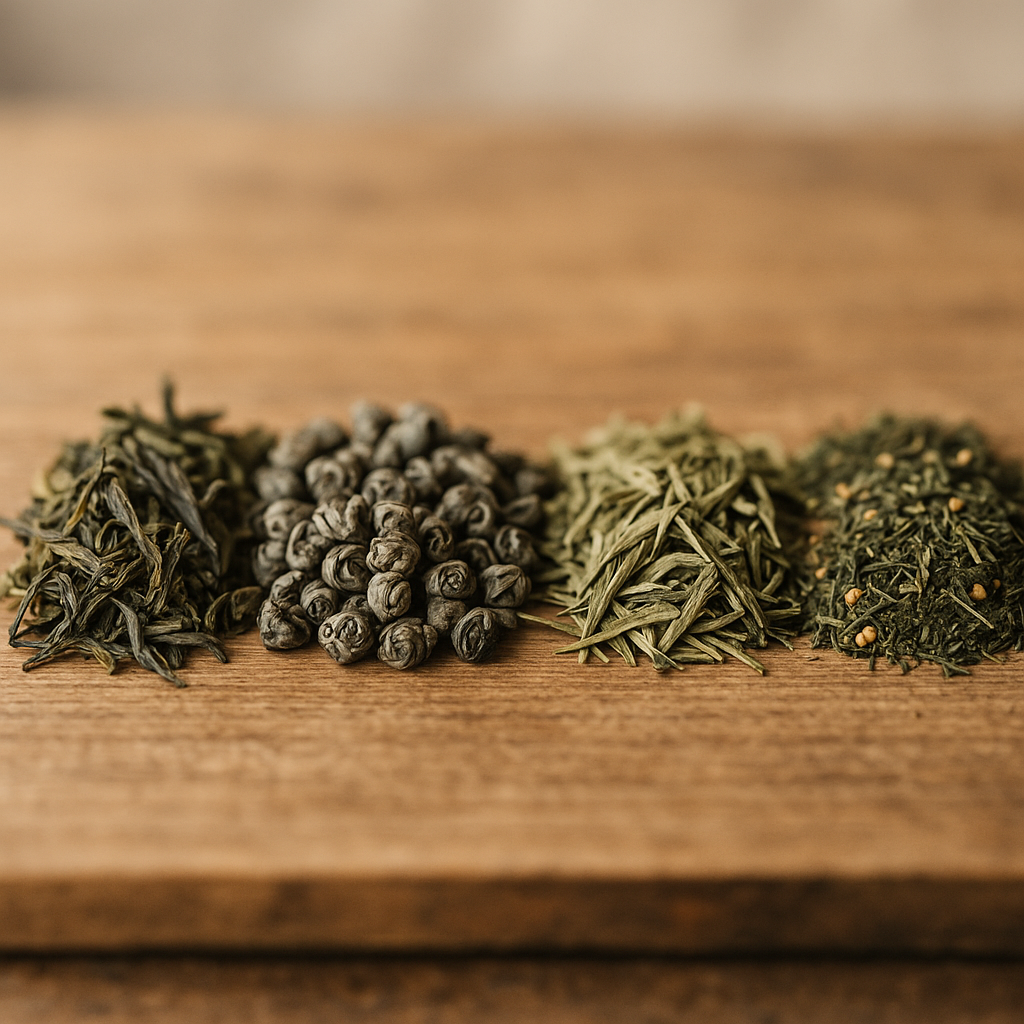
- Shape and Consistency: The shape of the leaves is often a clue to the tea’s identity and the skill of the tea master. Is it a Japanese Sencha, rolled into tight, dark green needles? Is it a Chinese Gunpowder, with each leaf compressed into a tight, shiny pellet? Or is it a Dragon Well, with its famously flat, blade-like leaves? Beyond identification, look for consistency. A high-quality batch of tea will have leaves that are very uniform in shape and size. This indicates that the leaves were all harvested from the same type of bush at the same time and were processed with a consistent technique. A batch with a wide variety of shapes and sizes may be a blend of different grades or harvests, which could result in a less cohesive flavor.
- Color: The color of the dry leaves should be vibrant and have a certain luster. For Japanese green teas like Sencha or Gyokuro, look for a deep, rich, and vibrant green. A dull, yellowish, or brownish tint can be a sign of age, improper storage, or poor processing. The exception is roasted teas like Hojicha, which should be a uniform reddish-brown. For Chinese green teas, the color is typically a bit more subdued—ranging from a bright jade to a deeper olive green. Again, the key is vibrancy. The color should look fresh and alive, not faded and tired. For teas like Bi Luo Chun, you should also look for the presence of fine, silvery-white downy hairs on the leaves, which is a sign of a very early spring harvest and tender leaves.
- Aroma: Perhaps the most delightful part of evaluating dry tea is its aroma. Before brewing, bring a small amount of the leaves close to your nose and inhale deeply. You can also warm your teapot or gaiwan with hot water, pour the water out, and then place the dry leaves inside for a moment. The residual heat will cause the leaves to release their aromatic oils more intensely. What do you smell? A good Japanese Sencha might have a scent of fresh-cut grass, seaweed, or steamed vegetables. A high-quality Dragon Well might smell toasty and nutty, like roasted chestnuts. A Jasmine tea should have a natural, intoxicating floral scent, not a perfumy or artificial one. The aroma should be complex, pleasant, and strong enough to be clearly discernible. A weak or non-existent aroma is a major red flag, indicating that the tea is likely old and has lost its volatile compounds.
By taking a few moments to engage with the dry leaves through sight and smell, you are beginning your relationship with the tea before it even enters the water. It is a practice of mindfulness that enriches the entire experience and is your best defense against purchasing a subpar product.
Factor 4: The Art and Science of a Perfect Brew
Having carefully selected a high-quality loose leaf green tea, the responsibility now shifts to the brewer. The process of brewing is not merely about adding hot water to leaves; it is a delicate dance of chemistry and technique. The goal is to coax the desirable compounds—the sweet amino acids, the fragrant aromatic oils, the beneficial antioxidants—out of the leaf, while leaving the less desirable, overly bitter ones behind. The three most critical variables in this process are water temperature, steeping time, and the tools you use. Mastering these elements is the key to consistently producing a perfect cup of green tea.
Water Temperature: The Make-or-Break Element
If there is a single secret to brewing delicious green tea, it is using water that is not too hot. This is the most common mistake made by newcomers, and it is the primary reason why many people believe they dislike green tea, having only ever tasted it when it was scalded into a bitter, astringent brew.
The science behind this is straightforward. The various compounds in a tea leaf dissolve into water at different rates and at different temperatures. The amino acids, such as L-theanine, which are responsible for the tea’s sweetness and savory umami character, are highly soluble and extract easily at lower temperatures. The catechins (a type of polyphenol or tannin), which contribute to astringency and bitterness, are less soluble and require higher temperatures to be extracted in large quantities.
When you use boiling water (212°F or 100°C) on a delicate green tea, you are creating a “smash and grab” extraction. The intense heat instantly dissolves a massive amount of catechins, overwhelming the sweeter, more delicate flavors of the amino acids. The result is a cup that is harsh, bitter, and flat.
By using cooler water, you create a more gentle and selective extraction. The amino acids and aromatic oils are drawn out, while the majority of the bitter catechins remain locked in the leaf. The ideal temperature range for most green teas is between 160°F and 180°F (70°C to 82°C). More delicate, high-grade Japanese teas like Gyokuro benefit from even lower temperatures, sometimes as low as 120-140°F (50-60°C).
How can you achieve these temperatures without a specialized kettle?
- Use a thermometer: A simple digital kitchen thermometer is an invaluable tool for any tea lover.
- The “Wait and Cool” Method: Boil your water, then let it cool. As a rough guide, letting boiling water sit in an open kettle for about one minute will bring it down to around 185°F (85°C). Waiting 3-4 minutes will bring it closer to 170°F (77°C). Pouring the water into your teacup first to warm it, and then pouring that water over the leaves, will also significantly reduce the temperature.
- The “Simmer, Don’t Boil” Method: Watch the bubbles in your kettle. Small bubbles forming on the bottom (known as “fish eyes”) indicate a temperature of around 160-170°F. When the bubbles start to rise in strings (“string of pearls”), the temperature is closer to 175-185°F. A full, rolling boil is 212°F and should be avoided.
Steeping Time: A Delicate Balance
The second critical variable is the length of the infusion. Like temperature, steeping time affects which compounds are extracted. Even with the correct water temperature, steeping the tea for too long will eventually draw out excessive bitterness.
For green tea, short infusions are generally best. The first steeping can be as short as 30-60 seconds for many Japanese teas or 1-3 minutes for most Chinese teas. It is always better to err on the side of a shorter infusion; you can always taste the tea and decide to let it steep for another 15-30 seconds if you want a stronger flavor. You cannot, however, undo an over-steeped, bitter brew.
One of the great joys of using loose leaf tea is the ability to do multiple infusions. A high-quality tea can be steeped multiple times, with each infusion revealing a new facet of its character. For subsequent infusions, it is common to slightly increase the steeping time or the water temperature to extract the remaining flavor. The second or third infusion is often considered by connoisseurs to be the best, offering the most balanced and complex flavor. A tea that can only produce one decent cup is likely of inferior quality.
The following table provides a starting point for brewing some common green tea varieties. Think of these as guidelines, not rigid rules. The ideal parameters will depend on the specific tea and your personal taste. Experimentation is part of the fun.
| Tea Variety | Leaf Amount (per 8oz/240ml) | Water Temperature | First Steeping Time | Subsequent Steeps |
|---|---|---|---|---|
| Japanese Sencha | 1.5 – 2 tsp (4-5g) | 160-175°F (70-80°C) | 45-60 seconds | 15-30 seconds |
| Gyokuro | 2 tsp (5-6g) | 120-140°F (50-60°C) | 90-120 seconds | 30-60 seconds |
| Chinese Dragon Well | 1.5 tsp (4g) | 175-185°F (80-85°C) | 2-3 minutes | 2-3 minutes |
| Gunpowder | 1 tsp (3g) | 175-185°F (80-85°C) | 1-2 minutes | 2 minutes |
| Jasmine Pearls | 1 tsp (3g) | 180°F (82°C) | 2-3 minutes | 3 minutes |
The Right Tools: Teapots, Infusers, and Gaiwans
While you can brew loose tea in any vessel, using the right tools can make the process easier and more enjoyable, while also improving the quality of the brew.
- Basket Infusers: For Western-style brewing in a mug or large teapot, a large, basket-shaped infuser is the best choice. It gives the leaves plenty of room to expand, unlike small, novelty-shaped “tea balls” which are far too constricting. Look for one made of fine stainless steel mesh.
- Kyusu (Japanese Teapot): The traditional teapot for brewing Japanese green tea is a kyusu. It is typically made of clay and has a side handle, which makes pouring with a flick of the wrist easy. Most importantly, it has a built-in mesh filter at the spout that holds the leaves back while allowing the brewed tea to be poured out completely and quickly. This is essential for the short infusions required for teas like Sencha.
- Gaiwan (Chinese Lidded Bowl): For Chinese teas, a gaiwan is a wonderfully versatile tool. It consists of three parts: a bowl, a lid, and a saucer. The leaves are placed in the bowl, hot water is added, and the lid is used to hold back the leaves while pouring the tea into a separate cup or fairness pitcher. The gaiwan allows for excellent control over the infusion and is perfect for appreciating the aroma of the tea, as the scent collects under the lid.
Regardless of the tool you choose, the principle remains the same: give the leaves room to expand, use the right temperature water, control the infusion time, and ensure you can separate the leaves from the water completely when the steeping is finished to prevent over-extraction.
Factor 5: Assessing Freshness and the Imperative of Proper Storage
Unlike fine wines or certain types of Pu-erh tea that improve with age, green tea is a beverage that is best enjoyed fresh. Its prized characteristics—the vibrant vegetal notes, the sweet umami, the delicate floral aromas—are a direct result of its minimal processing. These qualities, however, are ephemeral. The very compounds that make fresh green tea so delightful are also volatile and fragile. Over time, they will degrade, especially when exposed to their four main enemies: air, light, heat, and moisture. A tea that was once exquisite can become dull, lifeless, and tasteless in a matter of months if not stored correctly. Therefore, learning to assess freshness when buying and how to properly store your tea at home are not minor details; they are crucial practices for protecting your investment and ensuring a satisfying experience.
Identifying a Fresh Batch of Tea
When you are considering a purchase, especially from a bulk bin or a new online vendor, there are several indicators of freshness you can look for.
- Harvest Date: This is the single most reliable piece of information. A reputable tea merchant should be able to tell you when the tea was harvested, at least down to the season and year (e.g., “Spring 2026”). For green teas, the more recent the harvest date, the better. A spring harvest tea from the current year will be at its peak. A tea that is more than a year old will have likely lost a significant amount of its character. If a vendor cannot provide a harvest date, it is a cause for caution.
- Visual Appearance: As discussed previously, fresh green tea leaves should have a vibrant color. A Japanese Sencha should be a deep, lustrous green. A Chinese Longjing should have a lively yellow-green hue. If the leaves look dull, faded, or have a brownish cast, the tea is likely old. The leaves should also look whole and well-preserved, not dusty or crumbled.
- Aroma: The smell of the dry leaf is a powerful indicator of freshness. A fresh green tea will have a potent and distinct aroma. It might be grassy, nutty, toasty, or floral, but it should be strong and inviting. If you have to strain to smell anything, or if the aroma is weak, musty, or papery, the tea has lost its volatile aromatic compounds and is past its prime. Think of it like fresh herbs; fresh basil has a powerful, room-filling scent, while old, dried basil from the back of the pantry smells like little more than dust.
- Feel: While not always possible, feeling the leaves can also be informative. They should feel light and dry, but not so brittle that they crumble into dust at the slightest touch. A certain resilience in the leaf is a good sign.
Best Practices for Storing Your Tea to Preserve Flavor
Once you have brought your beautiful, fresh tea home, your job is to protect it from the elements that seek to degrade it. The principles of good storage are simple: keep it airtight, dark, cool, and dry.
- Airtight Container: Oxygen is the primary culprit in the degradation of tea. Exposure to air will cause the delicate compounds in the leaves to oxidize (albeit slowly), which dulls the flavor and aroma. The best storage vessel is an opaque, airtight container. Specialized tea canisters with double lids are excellent. Tins, ceramic jars with a good silicone seal, or even high-quality Mylar-lined resealable bags (like those many online retailers use for shipping) are also effective. Avoid clear glass jars; even if they are airtight, they fail on the second principle of protecting from light.
- Protection from Light: Light, particularly UV light, acts as a catalyst for chemical reactions that break down the chlorophyll and other compounds in tea leaves, causing them to lose both their color and flavor. This is why storing tea in a clear container on a sunny countertop is one of the fastest ways to ruin it. Always store your tea in an opaque container or, if you must use a clear one, keep it inside a dark cupboard or pantry.
- Cool, Stable Temperature: Heat accelerates chemical reactions, including those that cause tea to go stale. You should store your tea in a cool, dry place away from any heat sources like the stove, oven, or a sunny window. A pantry or cupboard that maintains a stable room temperature is ideal. Some people advocate for storing green tea in the refrigerator or freezer to prolong its life. While this can be effective, it is also risky. Tea is highly hygroscopic, meaning it readily absorbs moisture and odors from its environment. If you choose to refrigerate or freeze your tea, it must be in a completely airtight container. When you remove it, you must allow the entire container to come to room temperature before opening it. If you open it while it’s still cold, condensation will form on the leaves, introducing moisture and causing immediate damage. For this reason, refrigeration is generally only recommended for large, unopened, factory-sealed packages of tea that you plan to store for many months. For daily use, a cool pantry is safer and sufficient.
- Away from Strong Odors: As mentioned, tea is a powerful absorbent of aromas. Storing your tea next to coffee, spices, or garlic is a recipe for disaster. Your delicate Dragon Well will end up tasting like a strange, nutty-garlic infusion. Keep your tea canisters separate from other aromatic foodstuffs.
By following these storage principles, you can significantly extend the life of your loose leaf green tea, ensuring that every cup you brew from the package is as close as possible to the fresh, vibrant experience the tea master intended.
Factor 6: The Unique Synergy of Caffeine and L-Theanine
One of the most compelling aspects of green tea, beyond its complex flavors and aromas, is its distinct effect on the human mind. Tea drinkers often speak of a state of “calm alertness”—a feeling of being simultaneously relaxed and focused, without the jittery anxiety that can accompany other caffeinated beverages like coffee. This unique psychoactive profile is not a placebo effect; it is the result of a remarkable chemical synergy between two compounds found in the Camellia sinensis plant: caffeine and L-theanine. Understanding this interaction is key to appreciating why green tea has been used for centuries by monks and scholars as an aid to meditation and concentration.
The “Calm Alertness” Effect Explained
Caffeine is a well-known stimulant. It works primarily by blocking adenosine receptors in the brain. Adenosine is a neurotransmitter that promotes relaxation and sleepiness. By blocking its action, caffeine increases alertness and reduces fatigue. However, in high doses or for sensitive individuals, caffeine can also trigger the “fight or flight” response, leading to increased heart rate, anxiety, and the jitters.
L-theanine is an amino acid that is almost exclusively found in tea plants and a few rare mushrooms. It has a chemical structure very similar to glutamate, an excitatory neurotransmitter. However, L-theanine appears to have the opposite effect in many ways. It can cross the blood-brain barrier and has been shown to increase the production of alpha brain waves (Haskell et al., 2008). Alpha waves are associated with a state of relaxed wakefulness and creative “flow.” L-theanine also appears to influence the levels of several key neurotransmitters, including increasing dopamine (related to reward and motivation) and GABA (the primary inhibitory neurotransmitter, which promotes calmness), while potentially modulating the effects of serotonin.
The magic of tea lies in the fact that it contains both of these compounds. The L-theanine works in concert with the caffeine, smoothing out its rough edges. The caffeine provides the alertness and focus by blocking adenosine, while the L-theanine promotes a state of calm and relaxation by boosting alpha brain waves and GABA. The result is a sustained, clear-headed energy without the anxious spike and subsequent crash often associated with coffee. It is an ideal state for productive work, creative endeavors, or quiet contemplation. This unique neurological effect is, for many, the primary reason they choose tea as their daily beverage.
How Caffeine Levels Vary Across Green Teas
A common misconception is that all green tea is low in caffeine. While green tea generally has less caffeine than black tea or coffee, the amount can vary significantly depending on a number of factors. An 8-ounce (240ml) cup of green tea can contain anywhere from 20 to 60 milligrams of caffeine, compared to 95 to 200 milligrams in a similar cup of coffee.
The factors influencing caffeine content include:
- Tea Varietal and Part of the Plant: The caffeine in a tea plant acts as a natural insecticide, protecting it from pests. As such, the youngest, most tender leaves and the leaf bud have the highest concentration of caffeine, as they are the most vulnerable. Teas made from these young shoots, like high-grade Sencha or Gyokuro, will naturally have more caffeine than teas made from older, more mature leaves, like Bancha.
- Shade-Growing: The process of shading tea plants, used for Gyokuro and Matcha, causes the plant to increase its production of both L-theanine and caffeine. As a result, these shade-grown teas are among the most highly caffeinated of all green teas. A bowl of Matcha, in particular, can have as much or even more caffeine than a shot of espresso, because you are consuming the entire ground leaf.
- Processing: Roasting, as in the case of Hojicha, can slightly reduce the caffeine content of the leaves.
- Brewing Parameters: Your brewing method also has a significant impact on how much caffeine ends up in your cup. Caffeine is highly water-soluble. Therefore, using hotter water and a longer steeping time will extract more caffeine from the leaves. A cup of Sencha brewed at 175°F for one minute will have less caffeine than the same amount of leaves brewed at 195°F for three minutes.
For those who are sensitive to caffeine, it is wise to choose teas made from more mature leaves, such as Bancha or Genmaicha, or roasted teas like Hojicha, which is often enjoyed in Japan in the evening. It is also possible to “decaffeinate” your own tea to some extent. Since caffeine is so readily soluble, you can do a very quick initial steep (15-20 seconds) with hot water, discard that liquid, and then proceed with your normal brewing. This first quick rinse will wash away a significant portion of the caffeine, while leaving much of the flavor for subsequent infusions.
Factor 7: Making an Informed and Personal Purchase in 2026
Having journeyed through the complexities of variety, terroir, leaf quality, brewing science, and chemistry, we arrive at the final, practical step: making a purchase. In the contemporary market of 2026, the consumer is faced with a dizzying array of options, from the bulk bins of a local health food store to the highly curated catalogs of online specialty retailers. Navigating this landscape successfully requires a synthesis of the knowledge we have discussed, combined with an honest assessment of your own personal preferences. The goal is not to find the “best” green tea in an objective sense, but to find the best green tea for you.
Where to Buy: Navigating Online and Brick-and-Mortar Stores
Both physical stores and online vendors offer distinct advantages and disadvantages.
- Brick-and-Mortar Stores: The primary advantage of a physical store, particularly a dedicated tea shop, is the ability to use your senses. You can see the leaves, smell their aroma, and often even taste a sample before you buy. This direct sensory engagement is invaluable, especially for a beginner. You can ask questions and receive immediate guidance from knowledgeable staff. However, the selection may be more limited than what is available online, and prices can sometimes be higher due to overhead costs.
- Online Retailers: The world of online tea retail offers an almost infinite selection, connecting you with teas from small farms and famous estates around the globe. Reputable online stores, like
Zeniatea.comorzenithleaftea.com, often provide extensive information about their products, including detailed flavor notes, harvest dates, brewing instructions, and stories about the tea’s origin. This can be a fantastic educational resource. The main disadvantage is the inability to smell or see the tea before purchasing. This is why it is so important to choose online vendors who have a strong reputation for quality and transparency. Look for customer reviews, clear product photos, and detailed descriptions. For those beginning their exploration, reviewing a curated collection of classic Chinese styles can provide a foundational understanding of these flavor profiles.
Reading Labels and Certifications (e.g., Organic)
When evaluating a tea, whether online or in person, the label is your most important source of information. Look beyond the fancy marketing names and search for concrete details:
- Name and Type: Is it a Sencha, a Dragon Well, a Gunpowder?
- Origin: At a minimum, it should state the country of origin (e.g., Japan, China). A better label will specify the province or prefecture (e.g., Shizuoka, Japan) or even the specific mountain or estate.
- Harvest Date: As mentioned, this is a critical indicator of freshness. Look for a season and year (e.g., Spring 2026).
- Flavor Notes: While subjective, the vendor’s tasting notes (e.g., “toasty, nutty, smooth” or “vegetal, umami, brisk”) can give you a good idea of what to expect.
You may also encounter various certifications. “USDA Organic” is a common one, which certifies that the tea was grown and processed according to federal guidelines that address, among many factors, soil quality, pest and weed control, and use of additives . This means it was produced without the use of most synthetic pesticides and fertilizers. For many consumers, choosing organic tea provides peace of mind regarding both personal health and environmental impact. Other certifications might include Fair Trade, which focuses on ethical treatment and fair payment for tea workers, or various regional appellations of origin.
Finding Your Personal Flavor Profile
Ultimately, the journey into loose leaf green tea is a personal one. The vast diversity of flavors means there is almost certainly a green tea out there that you will love. The question is, how do you find it?
Start by thinking about other flavors you enjoy.
- Do you like savory, brothy soups and roasted vegetables? You might be drawn to the umami-rich, vegetal character of Japanese Sencha.
- Do you enjoy the taste of toasted nuts, roasted almonds, or buttery pastries? The smooth, nutty, and mellow profile of a Chinese Dragon Well might be perfect for you.
- Do you prefer bold, strong, and slightly smoky flavors, like a dark roast coffee or a peaty scotch? You might enjoy the robust character of Gunpowder green tea.
- Are you a lover of floral scents, like jasmine or honeysuckle? A naturally scented Jasmine Pearl tea would be an obvious and delightful choice.
The best approach for a beginner is to not commit to a large quantity of any single tea at first. Instead, purchase small sample sizes of several different types. Get a classic Japanese Sencha, a classic Chinese Dragon Well, and perhaps a Genmaicha or a Jasmine. Brew them using the appropriate parameters, taste them side-by-side, and take notes. Which one excites your palate? Which one do you find yourself wanting to drink again? This process of comparative tasting is the fastest and most enjoyable way to map out your own flavor preferences and begin your lifelong journey with tea.
Frequently Asked Questions (FAQ)
1. Is loose leaf green tea significantly better than tea bags? Yes, in almost every case. Loose leaf tea uses whole or large-cut leaves, which allows for a more nuanced and complex flavor extraction. Tea bags typically contain “dust” and “fannings,” small particles that brew quickly and often result in a bitter, one-dimensional taste. The larger leaves in loose tea also retain more of their aromatic oils and beneficial compounds.
2. How much caffeine is in a typical cup of green tea? An 8-ounce (240ml) cup of green tea generally contains between 20 and 60 milligrams of caffeine. This is less than a standard cup of coffee, which has around 95-200mg. However, the amount varies based on the type of tea (shade-grown teas like Matcha are higher in caffeine) and how you brew it (hotter water and longer steeping times extract more caffeine).
3. Can I re-steep the leaves, and how many times? Absolutely. One of the great benefits of high-quality loose leaf tea is its ability to be steeped multiple times. Most green teas can be infused at least 2-3 times, with some high-grade varieties yielding 5 or more enjoyable infusions. Each infusion will have a slightly different character. To re-steep, simply drain the water completely from your first infusion and then add fresh, hot water for the next. You may need to slightly increase the steeping time for later infusions.
4. What is the best way to store my loose leaf green tea? The best way to store your tea is in an opaque, airtight container in a cool, dark, and dry place. Keep it away from heat sources like the stove and strong odors like coffee or spices. Light, air, heat, and moisture are the enemies of fresh tea. A good tea canister in a kitchen pantry is an ideal storage solution.
5. Why does my green tea taste bitter? The most common reason for bitter green tea is using water that is too hot. Boiling water (212°F / 100°C) scalds the delicate leaves and extracts an excessive amount of bitter-tasting compounds called catechins. For most green teas, use water between 160-180°F (70-82°C). Steeping the tea for too long can also cause bitterness. Try a shorter infusion time, especially for the first steep.
6. What does “umami” taste like in green tea? Umami is one of the five basic tastes, alongside sweet, sour, salty, and bitter. It is often described as a savory, brothy, or meaty flavor. In green tea, particularly Japanese varieties like Sencha and Gyokuro, umami presents as a pleasant, mouth-watering savory sweetness that gives the tea depth and a satisfying, full-bodied texture. It is a result of the high concentration of the amino acid L-theanine.
7. Are flavored green teas, like mango or peach, healthy? It depends on how they are flavored. Naturally scented teas, like traditional Jasmine tea, are made by layering tea leaves with real flowers. Blended teas, like Genmaicha (with roasted rice), are also natural. However, many commercially available “flavored” teas use artificial or “natural” flavorings, which are chemical additives. While not necessarily unhealthy, they can mask the taste of a low-quality base tea. For the purest experience, look for unscented teas or those made with simple, recognizable ingredients.
Conclusion
The path to understanding loose leaf green tea is a rewarding one, leading from the broad landscapes of its origins in China and Japan to the microscopic chemistry that unfolds within your cup. It is a journey that engages all the senses: the sight of the vibrant, well-formed leaves; the toasty or grassy aroma that rises from the warmed pot; the feeling of the warm cup in your hands; the complex and evolving taste on your palate; and even the sound of water being poured. We have seen how the identity of a tea is shaped by its terroir, how its potential is preserved through careful processing, and how that potential is ultimately realized through the mindful application of water and time.
To choose a loose leaf tea is to choose an experience over a mere convenience. It is to participate, in a small way, in an ancient agricultural and cultural practice. The seven factors explored here—variety, origin, leaf quality, brewing technique, freshness, chemistry, and purchasing strategy—are not meant to be a rigid set of rules, but rather a map to guide your own exploration. The true joy lies in the experimentation, in the discovery of a new favorite tea, and in the daily ritual of preparing a cup that is both calming and invigorating. Tea, in its finest form, is more than a beverage; it is a quiet moment of reflection, a sensory pleasure, and a connection to the natural world. May your cup always be full and your explorations endless.
References
Graham, H. N. (1984). Tea: The plant and its manufacture; chemistry and consumption of the beverage. In G. A. Spiller (Ed.), The methylxanthine beverages and foods: Chemistry, consumption, and health effects (pp. 29–74). Alan R. Liss, Inc.
Haskell, C. F., Kennedy, D. O., Milne, A. L., Wesnes, K. A., & Scholey, A. B. (2008). The effects of L-theanine, caffeine and their combination on cognition and mood. Biological Psychology, 77(2), 113–122.
Khan, N., & Mukhtar, H. (2013). Tea and health: Studies in humans. Current Pharmaceutical Design, 19(34), 6141–6147.
Vuong, T. V., Stathopoulos, C. E., Golding, J. B., Nguyen, M. H., & Roach, P. D. (2011). Optimum conditions for the extraction of catechins from green tea. Journal of Separation Science, 34(21), 3099–3106. https://doi.org/10.1002/jssc.201000823
Yang, Z., & Wang, X. (2019). The molecule of the month: The chemistry of tea flavor. Chem, 5(8), 1935-1937.