Blog
Your Actionable 2026 Guide to Mate Tea Bags: Avoid 3 Bitter Mistakes


Abstract
This article provides a comprehensive examination of mate tea bags, exploring the beverage’s cultural origins, botanical characteristics, and modern consumption practices. It analyzes the socio-historical significance of yerba mate (Ilex paraguariensis) in South America, detailing its traditional preparation and communal role. The discussion extends to the biochemical composition of mate, evaluating its unique triad of xanthine alkaloids—caffeine, theobromine, and theophylline—and their combined physiological effects, which differentiate it from other caffeinated drinks. The article investigates the transition from loose-leaf mate to the convenience of mate tea bags, assessing the implications for flavor, potency, and brewing methodology. It offers a structured guide for selecting high-quality products and mastering brewing techniques to mitigate bitterness and optimize the extraction of beneficial compounds. Furthermore, it synthesizes current scientific literature on the health benefits of yerba mate, including its antioxidant capacity, cognitive-enhancing properties, and metabolic effects. The objective is to equip the reader with a deep, nuanced understanding of mate, enabling an informed and enriched consumption experience in 2026.
Key Takeaways
- Brew mate with water between 160-180°F (70-82°C) to prevent bitterness.
- Choose unsmoked, organically grown mate for a cleaner, smoother flavor profile.
- Mate offers a balanced energy lift from caffeine, theobromine, and theophylline.
- Look for mate tea bags made from larger leaf cuts for a fuller taste.
- Properly steeping mate tea bags unlocks a wealth of antioxidants and nutrients.
- Limit steeping time to 3-5 minutes initially, adjusting to your preference.
- The traditional gourd and bombilla offer a different experience than teabags.
Table of Contents
- The Enduring Legacy of Yerba Mate: A Cultural and Botanical Journey
- Mistake #1: Disregarding the Quality, Cut, and Origin of the Leaf
- Mistake #2: The Science of Brewing and the Perils of Bitterness
- Mistake #3: Underestimating Mate’s Unique Pharmacological Profile
- Integrating Mate Tea Bags into a Modern Wellness Framework
- Frequently Asked Questions (FAQ)
- A Final Reflection on the Mate Experience
- References
The Enduring Legacy of Yerba Mate: A Cultural and Botanical Journey
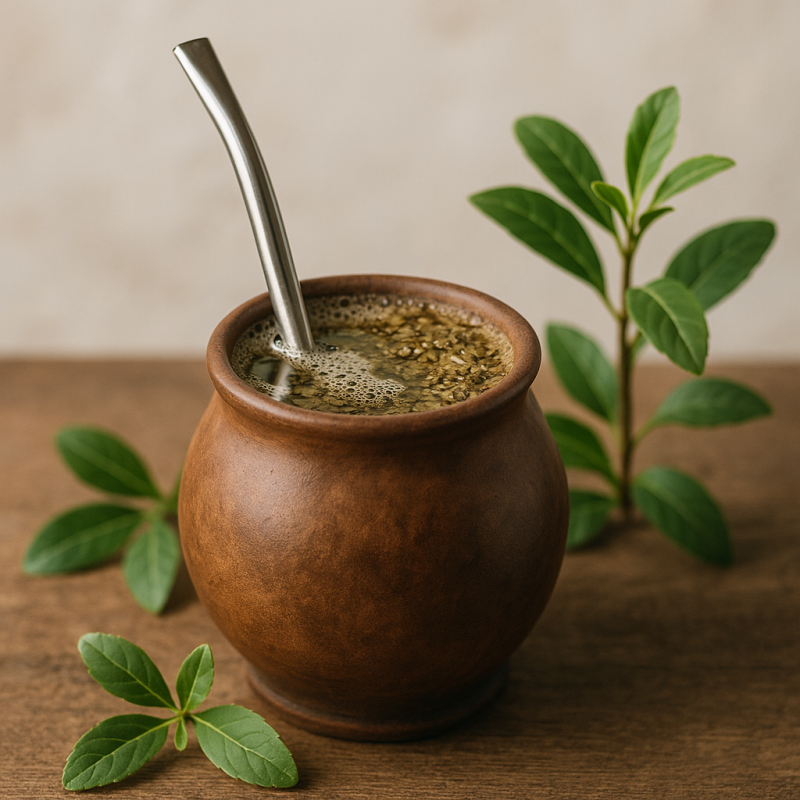
To truly appreciate the simple convenience of a mate tea bag, one must first journey, at least in spirit, to the subtropical forests of South America. Here, the story of yerba mate, or Ilex paraguariensis, is not one of a simple commodity but of community, ritual, and deep-rooted identity. The plant, a species of holly, has been consumed for centuries by the indigenous Guaraní people, who revered it as a gift from the gods. For them, it was a source of vitality, a social lubricant, and a medicinal tonic. They would chew the fresh leaves for energy on long treks or infuse them in a hollowed-out gourd, sipping the brew through a filtered straw. This tradition speaks to a fundamental human capacity for finding not just sustenance, but also connection and meaning, in the natural world around us.
The practice was later adopted and spread by Jesuit missionaries in the 17th century, who systematized its cultivation and established it as a major regional trade good, earning it the name “Jesuit tea.” The communal act of passing the gourd, or mate, and sipping through a shared straw, or bombilla, became a cornerstone of social life in what would become Argentina, Uruguay, Paraguay, and Southern Brazil. This ritual is a powerful demonstration of trust and hospitality, an invitation to pause and share a moment with another person. Each element, from the careful preparation of the leaves to the etiquette of sharing, is imbued with meaning. When you hold a modern mate tea bag, you are holding the distilled essence of this profound cultural heritage.
The Journey from Forest to Cup
The Ilex paraguariensis tree can grow up to 15 meters tall in the wild, thriving in the high-altitude, mineral-rich soils of its native habitat. The leaves and tender stems are harvested, traditionally by hand, by workers known as tareferos. The subsequent processing defines the final character of the mate. Immediately after harvesting, the leaves are flash-heated, a step called sapecado, to halt oxidation and preserve their vibrant green color and nutritional profile. Without this step, the leaves would oxidize and darken, much like black tea.
After the initial heating, the leaves are dried, sometimes over a wood fire, which imparts a characteristic smoky flavor. This smoked variety is common, but as global palates evolve, unsmoked versions, which offer a cleaner, more herbaceous taste, are gaining popularity. Finally, the dried leaves are aged, typically for several months to over a year, to mellow and deepen their flavor. They are then milled into various cuts. The fine, powder-heavy cuts are traditional for gourd preparation, while coarser cuts are often favored for methods like the French press or for filling mate tea bags. The choice of cut significantly impacts the brewing dynamics and flavor extraction, a point we will return to.
Mate vs. Coffee vs. Green Tea: A Comparative Overview
People often seek out mate as an alternative to coffee or green tea, and for good reason. Each beverage offers a distinct experience rooted in its unique chemical makeup and cultural history. Understanding these differences allows for a more intentional choice in one’s daily ritual.
| Feature | Yerba Mate | Coffee | Green Tea |
|---|---|---|---|
| Primary Alkaloids | Caffeine, Theobromine, Theophylline | Caffeine | Caffeine, Theophylline |
| Caffeine Content | ~80 mg per 8 oz cup | ~95 mg per 8 oz cup | ~30 mg per 8 oz cup |
| Energy Profile | Sustained, focused, no “crash” | Sharp spike, potential for jitters | Gentle lift, calming effect (L-theanine) |
| Flavor Profile | Earthy, herbaceous, slightly bitter | Roasted, acidic, rich | Vegetal, grassy, umami |
| Key Antioxidants | Polyphenols, Saponins | Chlorogenic Acids | Catechins (EGCG) |
| Cultural Origin | South America (Guaraní) | Ethiopia / Arabian Peninsula | China |
This table illustrates that while coffee delivers a powerful, singular jolt of caffeine, mate provides a more complex and balanced stimulation. The presence of theobromine, the same gentle stimulant found in chocolate, and theophylline, a smooth muscle relaxant, works in synergy with caffeine to produce a state of alert calmness, often without the anxiety or subsequent energy crash associated with coffee (Murnaghan, 2022). Green tea, with its lower caffeine content and high concentration of L-theanine, offers a more meditative focus. The choice between them is not about which is “better,” but which best serves your needs in a given moment.
Mistake #1: Disregarding the Quality, Cut, and Origin of the Leaf
The first common misstep in approaching mate is to treat all products as equal. The experience of a premium, well-sourced mate versus a low-grade, dusty alternative is vastly different. The convenience of mate tea bags can sometimes mask a compromise in quality, so developing a discerning eye is paramount. The path to a truly satisfying cup begins long before the water is heated; it starts with the selection of the tea itself.
A bitter, unpleasant cup of mate is often not the result of poor brewing but of poor raw material. Imagine trying to cook a gourmet meal with subpar ingredients; the final dish will inevitably reflect those initial limitations. The same principle governs tea. The terroir, cultivation methods, processing techniques, and even the cut of the leaf all converge to create the final flavor profile.
Decoding the Labels: Smoked vs. Unsmoked, Organic, and Aging
When selecting mate tea bags, the first distinction to look for is whether the mate is smoked (con humo) or unsmoked (sin humo).
- Smoked Mate: This is the more traditional style, where the leaves are dried over a wood fire. This process imparts a bold, smoky, and often robust flavor that many longtime mate drinkers enjoy. However, for a palate unaccustomed to it, the smokiness can be overpowering and may contribute to a perception of harshness.
- Unsmoked Mate: This style utilizes air-drying or other methods that do not involve direct contact with smoke. The result is a much cleaner, brighter, and more herbaceous flavor profile. It allows the natural, earthy notes of the Ilex paraguariensis leaf to shine through. For those new to mate or who prefer a less intense flavor, unsmoked varieties are an excellent starting point.
The second consideration is organic certification. Mate is traditionally grown in the forest under the natural canopy. However, large-scale commercial farming can involve the use of pesticides and herbicides. Opting for certified organic mate ensures that you are avoiding these potential contaminants and supporting more sustainable agricultural practices that are better for the environment and the farm workers.
Finally, consider the aging process (estacionamiento). Mate is typically aged for at least 9 months and up to 24 months. This period allows the flavor to mellow and mature, reducing the initial sharpness and resulting in a smoother, more balanced brew. While packaging for mate tea bags may not always specify the aging period, premium brands that value transparency often will. A well-aged mate is less likely to be aggressively bitter.
The Importance of the Cut: Why Leaf Size Matters in a Tea Bag
The transition from loose-leaf mate prepared in a gourd to the contained environment of a tea bag necessitates a change in the physical form of the leaf. This is perhaps the most overlooked aspect when choosing mate tea bags. The traditional cut for a gourd is quite fine and includes a significant amount of powder (polvo) and small stem pieces (palos). This composition is ideal for shaping the “mountain” of mate in the gourd and for the slow, repeated infusions of the traditional method.
However, this fine cut is ill-suited for a tea bag. The small particles can create a cloudy, murky brew and may lead to over-extraction and bitterness in the single-infusion method typical of tea bag use. High-quality mate tea bags will contain a coarser cut with larger leaf fragments and minimal powder. This allows for better water circulation around the leaves, promoting a more even and controlled extraction. When you purchase a curated range of tea bags, you should expect a product designed for optimal infusion within the bag.
| Cut Type | Description | Best For | Flavor Profile |
|---|---|---|---|
| Traditional (Fine Cut) | High powder content, fine leaves, stems | Gourd and Bombilla | Strong, robust, can be bitter if not prepared correctly |
| Coarse Cut | Larger leaf fragments, less powder, some stems | Tea Bags, French Press | Smoother, more balanced, less prone to bitterness |
| Sin Palos (No Stems) | Pure leaf, often a finer cut | Gourd for a strong brew | Intense, grassy, higher caffeine |
| Con Palos (With Stems) | Mixture of leaves and stems | Gourd for a milder brew | Milder, slightly woody, smoother |
When examining a potential purchase, if the packaging allows, look for tea bags that appear full with discernible leaf pieces rather than a fine, homogenous dust. This is a strong indicator of quality and a commitment by the producer to providing a superior tea bag experience.
Mistake #2: The Science of Brewing and the Perils of Bitterness
Many a potential mate enthusiast has been turned away by their first cup, recoiling from an aggressive, mouth-puckering bitterness. The common assumption is that mate is simply an acquired taste, one that requires a certain tolerance for astringency. While there is a characteristic herbaceous bitterness to mate, the overwhelming harshness many people experience is not an inherent quality of the leaf but a direct result of improper brewing. It is a chemical reaction, and one that can be easily controlled with a little knowledge of the science at play. This is the second, and perhaps most crucial, mistake to avoid.
The compounds responsible for flavor in tea, including polyphenols (like tannins) and alkaloids (like caffeine), extract at different rates and at different temperatures. Bitterness in tea is largely caused by the over-extraction of polyphenols. When you use water that is too hot or steep the leaves for too long, you are essentially flooding your cup with these bitter compounds. The goal of good brewing is to achieve a balanced extraction, capturing the desirable aromatic and flavorful compounds while keeping the harsher ones in check.
The Golden Rule: Temperature, Temperature, Temperature
If there is one single piece of advice to take away for brewing mate tea bags, it is this: do not use boiling water. This is the most common error and the primary culprit behind a bitter brew. Boiling water (212°F or 100°C) is far too aggressive for the delicate chemistry of the mate leaf. It shocks the leaves, causing them to release their tannins and other bitter compounds all at once.
The ideal water temperature for brewing mate is between 160°F and 180°F (70°C to 82°C). This temperature range is hot enough to effectively extract the caffeine, theobromine, and the complex flavor compounds, but cool enough to prevent the rapid release of excessive tannins.
How can you achieve this without a special variable-temperature kettle? It’s simpler than you might think.
- The Boil-and-Wait Method: Bring your water to a full boil, then simply turn off the heat and let it sit for a few minutes. Depending on the ambient temperature and the volume of water, waiting 2-4 minutes will typically bring the water down into the ideal range.
- The Simmer Method: Watch your kettle as it heats. Just as the first tiny bubbles begin to form and rise from the bottom, but before it reaches a rolling boil, the water is likely in the perfect temperature zone. This is what is often referred to as a “fish-eye” boil.
Investing in a simple kitchen thermometer can take the guesswork out of the equation entirely and is a valuable tool for any tea or coffee lover. The precision will pay dividends in the consistent quality of your cup. A detailed guide to steeping can be found on sites like .
A Step-by-Step Guide to the Perfect Cup from a Mate Tea Bag
Brewing with mate tea bags is a straightforward process, but attention to detail makes all the difference. Let’s walk through the process, applying our knowledge to create a smooth, flavorful, and energizing cup.
Step 1: Select Your Vessel Choose a mug or cup of about 8-12 ounces (240-350 ml). This is a standard size that works well with most single-serving tea bags.
Step 2: Heat Your Water Using one of the methods described above, heat your water to the target range of 160-180°F (70-82°C). Precision here is your best defense against bitterness.
Step 3: The Initial Steep Place your mate tea bag in the mug. Pour the heated water over the bag. Start a timer. For your first time brewing a new brand, a steep time of 3 to 4 minutes is a good starting point. Unlike some herbal teas that can be steeped indefinitely, mate requires a more controlled infusion time.
Step 4: Taste and Adjust After 3 minutes, give the tea a small taste. Is the flavor to your liking? If it tastes weak, allow it to steep for another minute or two. If it is already strong enough, remove the bag. The ideal steep time is subjective and depends on your personal preference for strength. By starting with a shorter time and tasting as you go, you can dial in the perfect infusion for your palate. Most people find their sweet spot between 3 and 6 minutes.
Step 5: Remove the Bag and Enjoy Once the tea has reached your desired strength, remove the tea bag. Avoid the temptation to squeeze the bag against the side of the cup. Squeezing a tea bag forces out the last dregs of liquid held within the leaves, which are highly concentrated in bitter tannins. Simply lift the bag out and set it aside.
Your perfectly brewed mate is now ready. You can enjoy it plain to appreciate its natural character, or you can add a touch of honey, a squeeze of lemon, or even a splash of milk, though the latter is less traditional.
Mistake #3: Underestimating Mate’s Unique Pharmacological Profile
The third mistake often made is to view yerba mate simply as another caffeinated beverage, a one-to-one substitute for coffee. This perspective fails to appreciate the nuanced and sophisticated way in which mate interacts with the human body. To do so is to overlook its most compelling attribute: the synergistic interplay of its active compounds, which produces an effect qualitatively different from other stimulants. Understanding this unique pharmacological signature allows one to use mate not just for a generic energy boost, but as a tool for achieving a specific state of mind—one of calm, sustained focus.
The experience of drinking mate is often described as “waking up the mind without rattling the nerves.” This is not mere poetry; it is a reflection of its complex biochemistry. The primary active compounds in Ilex paraguariensis are a trio of related alkaloids from the xanthine family: caffeine, theobromine, and theophylline (Heck & de Mejia, 2007).
The Xanthine Trio: Caffeine, Theobromine, and Theophylline
While caffeine is the most famous of the three, it does not act alone in mate.
- Caffeine: As in coffee and other teas, caffeine is the primary central nervous system stimulant. It works by blocking adenosine receptors in the brain, preventing the onset of drowsiness and leading to increased alertness and improved concentration. The caffeine content in a cup of mate is generally slightly less than in a comparable cup of coffee but more than in most green or black teas.
- Theobromine: This alkaloid is perhaps the key differentiator. It is also found in high concentrations in cacao, the raw ingredient for chocolate. Theobromine is a much milder stimulant than caffeine. Its primary effects are as a vasodilator (it widens blood vessels, improving blood flow) and a smooth muscle relaxant. This contributes to a feeling of physical well-being and can counteract some of the vasoconstrictive (blood vessel-narrowing) effects of caffeine, potentially reducing the likelihood of caffeine-induced headaches or jitters.
- Theophylline: Present in smaller quantities, theophylline also acts as a smooth muscle relaxant, with a particular affinity for the bronchial passages in the lungs. It helps to open the airways, which may contribute to the feeling of easy breathing and physical ease that some mate drinkers report. It is also a mild cardiac stimulant.
The magic of mate lies in the combination of these three xanthines. The caffeine provides the clear, sharp focus, while the theobromine and theophylline temper that energy, smoothing out the rough edges and promoting a sense of relaxed alertness. It is this synergy that creates mate’s signature effect: a clean, enduring energy lift that enhances cognitive function without the nervous, scattered feeling that a high dose of pure caffeine can sometimes provoke.
Beyond the Buzz: A Rich Source of Nutrients and Antioxidants
To focus solely on the stimulant properties of mate would be to ignore its impressive nutritional profile. Yerba mate is a powerhouse of bioactive compounds that contribute to its status as a health-promoting beverage. Scientific analysis has revealed a wealth of beneficial substances within the humble leaf.
Mate contains a significant array of polyphenols, which are powerful antioxidants that help protect the body’s cells from damage caused by free radicals. The antioxidant capacity of mate has been shown to be higher than that of green tea in some studies, primarily due to its high concentration of chlorogenic acid, the same primary antioxidant found in coffee (Bracesco et al., 2011).
In addition, mate is a source of saponins, which are natural compounds that have anti-inflammatory and cholesterol-lowering properties. These saponins also contribute to the characteristic slightly bitter taste and the frothy head that forms on a traditionally prepared mate.
The leaf also contains a surprising range of vitamins and minerals, including:
- Vitamin A
- Vitamins B1, B2, B3, and B5
- Vitamin C
- Vitamin E
- Calcium
- Iron
- Magnesium
- Manganese
- Phosphorus
- Potassium
- Selenium
- Zinc
While a single cup of mate will not replace a balanced diet or a multivitamin, the presence of these micronutrients adds to its overall value as a functional beverage. When you brew a cup of mate, you are not just making a stimulant; you are creating a nutrient-rich infusion that supports overall health and well-being. This understanding elevates the act of drinking mate from a simple habit to a conscious choice for self-care.
Integrating Mate Tea Bags into a Modern Wellness Framework
Having navigated the potential pitfalls of selection and brewing, and with a deeper appreciation for mate’s cultural and chemical complexity, we can now consider how to meaningfully incorporate mate tea bags into a contemporary lifestyle. In 2026, the pursuit of wellness is less about rigid prescriptions and more about finding sustainable, enjoyable practices that support both mental and physical health. Mate, with its unique blend of gentle energy, focus-enhancement, and nutritional benefits, is exceptionally well-suited to this modern, holistic approach.
Its versatility allows it to be more than just a morning kick-starter. It can be a trusted companion for focused work, a gentle pre-workout boost, a tool for social connection, or a quiet ritual for mindful moments. The key is to be intentional, aligning your use of mate with your specific needs and goals throughout the day.
From Morning Ritual to Afternoon Pick-Me-Up
The most common use for mate is as a replacement for the morning coffee. Its ability to provide a sustained energy plateau, rather than a sharp peak and crash, makes it ideal for starting the day. A morning cup of mate can help you transition from sleep to a state of clear-headed productivity, setting a positive tone for the hours ahead. Unlike the sometimes frantic energy of coffee, the focus from mate feels more grounded and controlled, making it perfect for tasks that require deep concentration, such as writing, coding, or studying.
However, its utility does not end at noon. The dreaded mid-afternoon slump, typically occurring between 2 and 4 PM, is another moment where mate can be particularly effective. When your energy levels dip and your focus begins to wander, a cup of mate can provide the perfect reset. It can lift the mental fog and carry you through the remainder of the workday without the risk of interfering with your sleep later in the evening, a concern many have with late-afternoon coffee.
For athletes and fitness enthusiasts, mate serves as an excellent natural pre-workout supplement. Brewed about 30-45 minutes before exercise, it can increase energy, improve focus, and enhance fat metabolism, allowing for a more effective and enjoyable workout (Ribeiro et al., 2018). Its anti-inflammatory properties may also aid in post-exercise recovery.
Creative Pairings and Flavor Enhancements
While a well-brewed cup of mate is delightful on its own, it also serves as a wonderful base for creative flavor combinations. Experimenting with additions can personalize your mate experience and adapt it to different moods and seasons.
- Citrus & Herbs: The earthy, herbaceous profile of mate pairs beautifully with bright, acidic notes. A squeeze of fresh lemon, lime, or orange can lift the flavor and add a refreshing zest. Adding fresh herbs like mint or lemongrass to your cup while steeping can create a wonderfully aromatic and invigorating brew, perfect for a hot day. In Paraguay, this cold-brewed version, known as tereré, is a national obsession.
- Spices: For a warming, cozy cup, consider infusing your mate with spices. A cinnamon stick, a few cloves, or a slice of fresh ginger can transform your mate into a chai-like beverage, ideal for a cold morning or a relaxing evening.
- Sweeteners: If you find mate a bit too bitter, a small amount of a natural sweetener can balance the flavor. Honey, maple syrup, or stevia are all excellent choices. Start with a small amount and adjust to taste.
Exploring these combinations is part of the joy of making tea your own. You can discover your own signature blend that perfectly suits your palate. When you are ready to explore, you can find an excellent selection of high-quality mate tea bags to serve as the foundation for your creations.
The Social Dimension: Sharing the Mate Experience
Although the convenience of mate tea bags lends itself to individual consumption, we should not forget the beverage’s deep roots as a social ritual. While you may not be passing a traditional gourd and bombilla in the office, the spirit of sharing can still be cultivated.
Consider making a pot of mate for your colleagues during a mid-afternoon break instead of just brewing a single cup. Offer a cup to a friend who comes to visit. The simple act of preparing and sharing a warm beverage can be a powerful way to foster connection and create a moment of shared pause in a busy day. It’s an opportunity to introduce others to this remarkable drink and to carry forward, in a small but meaningful way, the tradition of hospitality that is at the very heart of mate culture. By doing so, you transform a simple drink into an act of community.
Frequently Asked Questions (FAQ)
Is it safe to drink yerba mate every day?
For most healthy adults, daily consumption of yerba mate in moderation is generally considered safe and may offer numerous health benefits. The key is moderation, similar to any caffeinated beverage. A typical intake of one to three cups per day is unlikely to cause adverse effects.
How does the caffeine in mate tea bags compare to coffee?
An 8-ounce cup of mate brewed from a tea bag typically contains around 80 milligrams of caffeine. This is slightly less than a standard 8-ounce cup of drip coffee, which has about 95 milligrams. However, mate’s unique combination of caffeine with theobromine and theophylline often results in a more balanced, sustained energy lift without the “jitters” or “crash” sometimes associated with coffee.
Can I re-steep mate tea bags?
While traditional loose-leaf mate is designed for multiple infusions, most mate tea bags are designed for a single, strong infusion. The leaf cut inside a tea bag is often finer to allow for quick extraction. While you can try to re-steep a bag, the second cup will be significantly weaker in flavor and potency. For the best experience, it is recommended to use a fresh bag for each cup.
Will drinking mate in the evening keep me awake?
Yerba mate is a stimulant, and its effects on sleep can vary greatly from person to person depending on their individual sensitivity to caffeine. If you are sensitive to caffeine, it is best to avoid drinking mate for at least 6-8 hours before bedtime. If you are less sensitive, you might be able to enjoy a cup in the late afternoon without issue. It is best to start by consuming it earlier in the day and observing how your body responds.
What is the difference between Argentine and Brazilian mate?
The primary difference lies in the processing and aging. Argentine mate is typically aged for 9-24 months and has a more balanced, mellow flavor. It contains both leaves and small stems (con palos). Brazilian mate, often called chimarrão, is a vibrant, almost neon-green color because it is consumed very fresh with little to no aging. It is also milled into a very fine powder, which requires a special bombilla to drink. Uruguayan mate is similar to Argentine mate but usually contains a finer cut with less stem content, resulting in a stronger flavor.
A Final Reflection on the Mate Experience
The journey with mate, from its origins as a sacred leaf to its modern form in a convenient tea bag, is a testament to its enduring appeal. It is a beverage that bridges worlds: the ancient and the modern, the ritualistic and the practical, the calming and the energizing. To engage with mate is to do more than just consume a drink; it is to participate in a rich cultural history and to harness a sophisticated natural tool for enhancing one’s own well-being. By avoiding the common mistakes of poor selection, improper brewing, and a narrow understanding of its effects, you unlock the true potential of this remarkable plant. The perfect cup of mate—smooth, rich, and invigorating—is not a matter of chance, but a result of knowledge, care, and intention. It awaits you.
References
Bracesco, N., Sanchez, A. G., Contreras, V., Menini, T., & Gugliucci, A. (2011). Recent advances on Ilex paraguariensis research: Minireview. Journal of Ethnopharmacology, 136(3), 378–384.
Heck, C. I., & de Mejia, E. G. (2007). Yerba Mate Tea (Ilex paraguariensis): A comprehensive review on chemistry, health implications, and technological considerations. Journal of Food Science, 72(9), R138–R151. https://doi.org/10.1111/j.1750-3841.2007.00535.x
Murnaghan, I. (2022). Theobromine: The lesser-known stimulant in your chocolate. Food & Function. https://www.foodandfunction.org/theobromine/
Ribeiro, B. G., de Barros, L. C., & de Oliveira, A. C. (2018). Effects of yerba mate (Ilex paraguariensis) on sports performance: A systematic review. International Journal of Sports Science, 8(3), 70-78.