
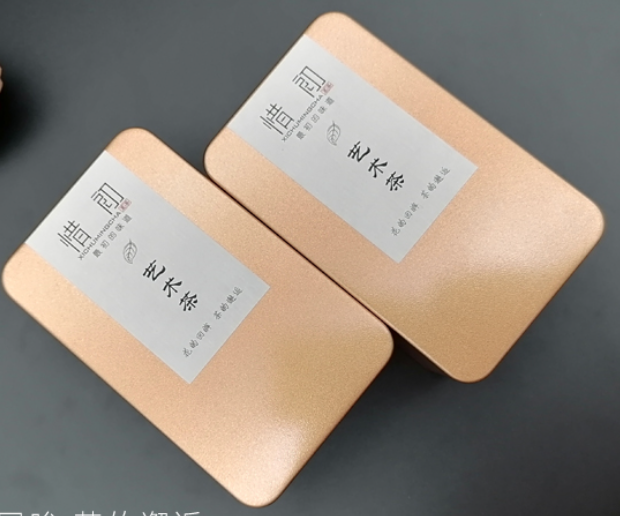


Jasmine Blooming Tea Balls | Handcrafted Flowering Tea
$29.90
Handcrafted blooming tea balls from Fujian unfurl into stunning floral displays. Green tea base with jasmine, chrysanthemum, rose & osmanthus. 90g artisan gift set, ships worldwide.
Jasmine Blooming Tea Balls | Handcrafted Flowering Tea from Fujian
Experience tea as living art with our handcrafted blooming tea balls—spring-harvest Fujian green tea hand-tied with jasmine, chrysanthemum, osmanthus, and rose that unfurl into breathtaking floral sculptures in your cup, perfect for mindful moments and elegant entertaining.
What This Tea Is
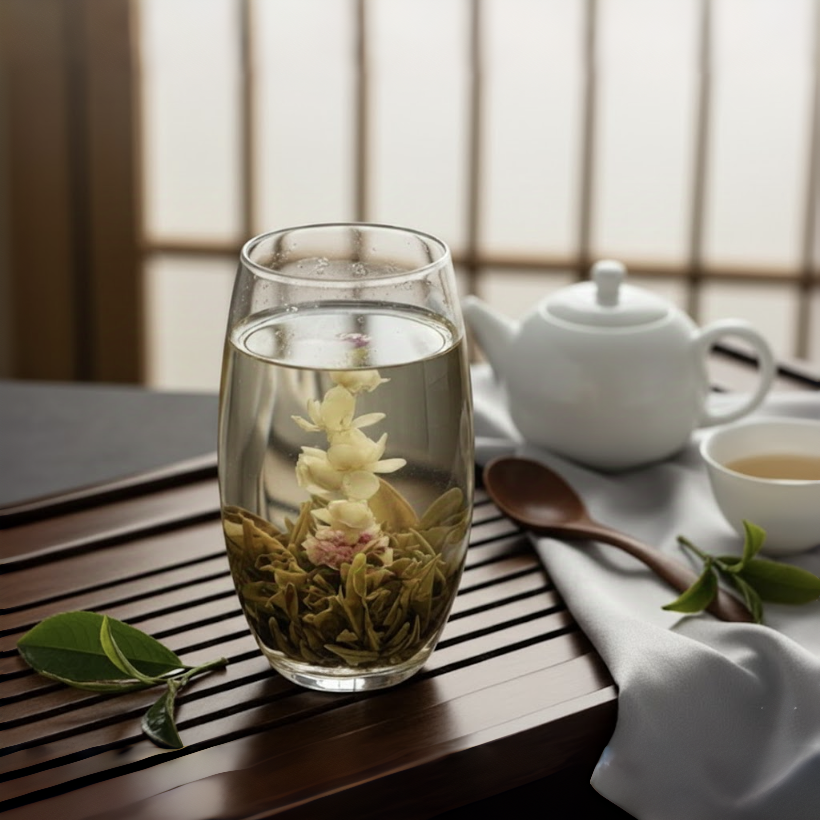
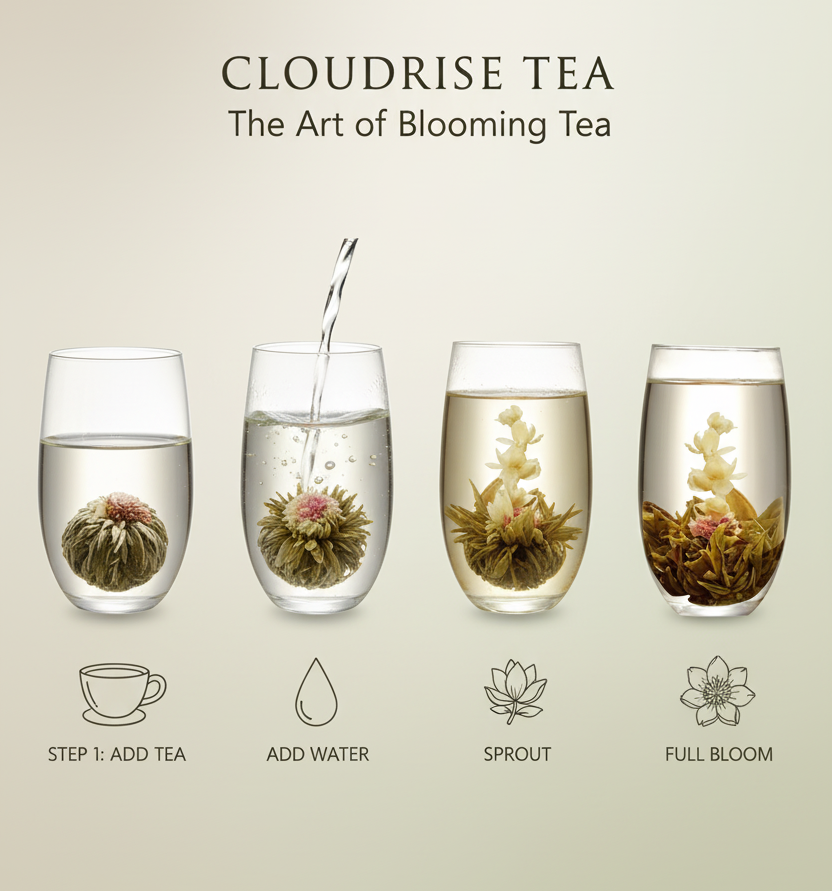
Blooming tea (also called flowering tea or display tea) represents one of tea’s most captivating craft traditions. Each ball in this collection is meticulously hand-tied by artisans who wrap premium green tea leaves around a carefully composed bouquet of edible flowers—jasmine blossoms, golden chrysanthemum, fragrant osmanthus, and vibrant double-petaled red rose. When steeped in hot water, the tightly bound ball slowly opens over 3-5 minutes, releasing the flowers in a mesmerizing underwater bloom while infusing a delicate, multi-layered floral tea.
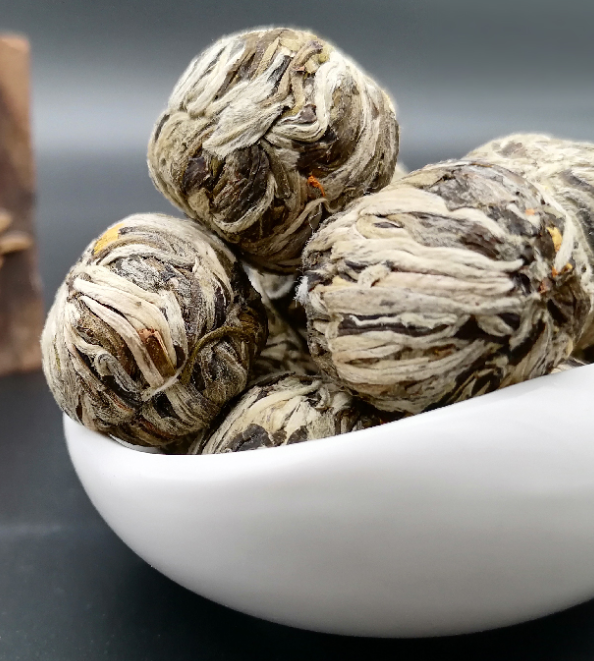
This is not flavored or artificially scented tea. The green tea base from Fu’an, Fujian Province provides a clean, slightly sweet foundation with natural vegetal notes, while the dried flowers contribute their authentic aromas and subtle flavors through traditional scenting and blending techniques. Each 90g package contains 12 individual tea balls, with each ball yielding a full pot (500-750ml) of floral-infused green tea that can be re-steeped 2-3 times.
Taste & Aroma
- Aroma: Opening notes of fresh jasmine and sweet osmanthus, middle notes of honeyed chrysanthemum, subtle rose undertones, and a clean green tea base that ties everything together without perfume.
- Taste: Delicate sweetness with gentle floral complexity; the green tea provides a smooth, barely astringent structure while jasmine leads with its signature creamy-sweet character, supported by chrysanthemum’s subtle honey notes and osmanthus’s apricot-like fragrance. Rose adds visual beauty and a whisper of depth without dominating. Light umami and minimal bitterness make this approachable for those new to green tea.
- Mouthfeel & Aftertaste: Silky, light-bodied with a clean finish. Pleasant hui gan (returning sweetness) appears 30-60 seconds after swallowing, leaving a refreshing floral sweetness on the palate. No drying astringency when brewed correctly.
Quick Specs
| Item | Detail |
|---|---|
| Origin | Fu’an City, Fujian Province, China—renowned for high-quality green tea production in mountainous terrain with ideal climate for tender leaf cultivation. |
| Harvest Season | Spring harvest green tea base (April-May picking), flowers harvested at peak bloom and carefully dried to preserve color and aroma. |
| Process | Green tea: steamed/pan-fired (kill-green), hand-sorted young leaves. Flowers: natural air-drying. Assembly: hand-tied by skilled artisans, cotton thread binding, individual quality inspection. No artificial flavoring or coloring. |
| Shape/Form | Flowering / Blooming Balls (hand-tied spheres, 6-8g each) |
| Grade | Artisan Grade—premium young green tea leaves (1-2 leaf and bud sets) selected for tenderness, flexibility, and clean flavor profile suitable for floral pairing. Flowers hand-selected for size, color vibrancy, and intact petals. |
| Ingredients | Green tea (base), jasmine flowers, chrysanthemum, osmanthus, double-petaled red rose. 100% natural botanicals, no additives or artificial flavoring. |
| Net Weight | 90 g (3.17 oz) — approximately 12-15 blooming tea balls per package |
| Allergens | None. Contains only tea leaves and edible flowers (Camellia sinensis, Jasminum, Chrysanthemum, Osmanthus, Rosa). May not be suitable for individuals with specific pollen sensitivities. |
Brewing Guide
Blooming tea is designed for visual drama, so we recommend using a clear glass teapot (500-750ml capacity) or a large glass tumbler to fully appreciate the unfurling display. Temperature control is crucial—too hot and you’ll scorch the delicate flowers and green tea; too cool and the ball won’t fully open.
| Method | Tea-to-Water | Temp | Time | Infusions |
|---|---|---|---|---|
| Western (Recommended) | 1 ball per 500-750 ml | 85-90°C (185-195°F) | 3-5 min for full bloom + flavor; watch the display, then taste | 2-3 infusions; add 1-2 min per steep |
| Grandpa Style | 1 ball in 500ml glass | 85°C (185°F) | Continuous sipping; top up with hot water as you drink | All-day session possible with flavor dilution |
Step-by-Step for Best Results:
- Boil fresh, filtered water and let cool to 85-90°C (if no thermometer, boil and rest 3-4 minutes).
- Pre-warm your glass vessel with a quick hot water rinse.
- Place one tea ball at the bottom of the glass pot or tumbler.
- Pour hot water gently from the side (not directly onto the ball) to avoid damage.
- Watch for 3-5 minutes as the ball gradually opens. The full bloom is the signal that flavor extraction is optimal.
- Pour and enjoy. Leave the spent ball in the pot for 2nd and 3rd infusions, adding 1-2 minutes each time.
Origin & Craft
Blooming tea has its roots in Fujian Province’s centuries-old tradition of scented teas, particularly jasmine tea production that dates back to the Song Dynasty. Fu’an City, nestled in Fujian’s mountainous northeast, benefits from a subtropical climate with ample rainfall, mist-covered peaks, and mineral-rich soils that produce tender, sweet green tea leaves ideal for both drinking and artistic manipulation.
The green tea base consists of young spring-harvest leaves—typically one bud with one or two newly unfurled leaves—chosen for their flexibility and mild, clean flavor that won’t overpower the floral elements. After a light steaming or pan-firing to halt oxidation, the leaves are carefully dried to a moisture level that allows hand-tying without breakage.
The artistry lies in the assembly. Skilled hands arrange the flowers in a specific sequence—often placing the showpiece bloom (here, the red rose or chrysanthemum) at the center, surrounded by jasmine and osmanthus, then wrapping this bouquet with 15-25 individual tea leaves in overlapping layers. Cotton thread binds the bundle tightly into a sphere roughly the size of a walnut. Each ball is then inspected for structural integrity and visual appeal before drying to final moisture content and packaging.
The Flower Selection:
- Jasmine: Night-blooming Jasminum sambac flowers harvested at dawn when fragrance peaks, then dried to lock in the essential oils. Contributes the dominant sweet, creamy, slightly indolic aroma.
- Chrysanthemum: Golden or white blooms (likely Hangzhou white chrysanthemum or small yellow tribute chrysanthemum) prized in Chinese tea culture for their cooling properties and honey-sweet flavor.
- Osmanthus: Tiny, intensely fragrant golden flowers (Osmanthus fragrans) with an apricot-peach-like aroma; a classic pairing with green and oolong teas in southern China.
- Double-Petaled Red Rose: Provides visual drama with its large, vibrant petals. Rose contributes subtle floral depth and a touch of elegance without overpowering the lighter jasmine and osmanthus notes.
This combination is a sensory balance: jasmine leads, chrysanthemum adds sweetness, osmanthus provides aromatic complexity, and rose offers visual wow-factor. The green tea ensures everything harmonizes without medicinal or perfume-like qualities.
Freshness, Storage & Shelf Life
- Fresh-Pack Date: Each batch is packaged shortly after production and labeled with a best-by date. Orders are fulfilled from current-season stock whenever possible.
- Storage: Store in the original sealed package or an airtight container in a cool (below 25°C / 77°F), dry, dark place. Keep away from strong-smelling foods (spices, coffee) as tea absorbs odors. Refrigeration is optional but can extend freshness; if refrigerating, use a double-sealed bag to prevent condensation and odor absorption.
- Shelf Life: 24 months (2 years) from production date when stored properly. Best enjoyed within the first 12 months for peak floral aroma and visual appeal. The tea remains safe to drink beyond this period, but flower colors may fade and fragrance may mellow.
- Freshness Indicators: Fresh balls should have vibrant flower colors (especially the rose petals), a distinct jasmine-osmanthus fragrance when the package is opened, and tea leaves that are pliable (not brittle). If flowers crumble easily or smell musty, the tea is past its prime.
Food Pairing & Occasions
The delicate, floral character of blooming tea makes it a versatile companion for light fare and special moments. Avoid pairing with heavily seasoned or spicy dishes that will overwhelm the tea’s subtle nuances.
- Pastries & Baked Goods: Pairs beautifully with almond cookies, shortbread, madeleines, lemon tarts, and fruit-based desserts. The tea’s light sweetness complements without competing.
- Cheese: Try with mild, creamy cheeses like young goat cheese, fresh mozzarella, or mascarpone. Avoid sharp, aged varieties.
- Fresh Fruit: Serve alongside melon, white peaches, lychee, or berries for a refreshing afternoon treat.
- Light Savories: Cucumber finger sandwiches, steamed dim sum (shrimp dumplings, vegetable buns), or Japanese wagashi pair wonderfully during tea ceremonies.
Ideal Occasions:
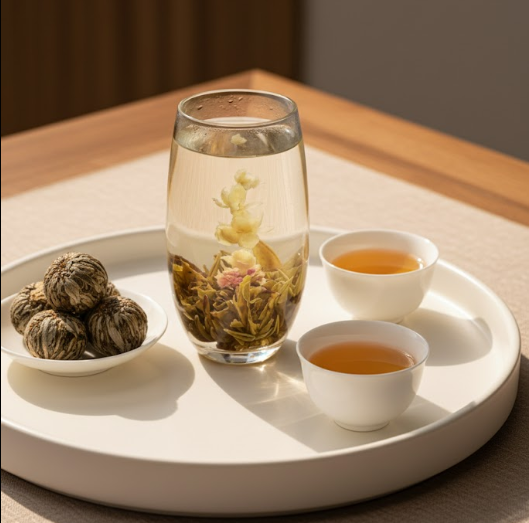
- Afternoon Tea & Entertaining: The visual drama makes blooming tea a conversation starter. Brew tableside in a glass teapot for guests to watch the unfurling—guaranteed “wow” moment.
- Mindful Moments & Meditation: The slow bloom encourages presence and patience. Use as a focus point for tea meditation or a calming ritual after a stressful day.
- Gifting: Pre-packaged for gift-giving. Ideal for tea lovers, wellness enthusiasts, or anyone who appreciates artisan craft. Popular for Mother’s Day, birthdays, hostess gifts, and corporate thank-yous.
- Office & Workspace: Brew one ball in a large glass at your desk for an all-morning sipper. The visual element reduces screen fatigue and creates a micro-break of beauty.
- Romantic Dinners: Serve as a pre-dinner aperitif or a palate cleanser between courses. The rose element adds romantic symbolism.
Who Will Love It
This blooming tea is crafted for tea drinkers who value experience as much as flavor—those who appreciate the ritual, craft, and story behind their cup. Specifically, you’ll love this if you:
- Enjoy Green Tea but Seek Novelty: If you’re comfortable with the vegetal, subtly sweet profile of green tea but crave something with more visual and aromatic interest, blooming tea adds floral complexity without straying into heavily oxidized or fermented territory.
- Are a Jasmine Tea Enthusiast: This is a natural progression from jasmine pearl or jasmine phoenix claw teas, offering the same core jasmine character with added floral layers and the theatrical bloom.
- Prioritize Aesthetics & Ritual: If you love latte art, Japanese tea ceremonies, or gongfu setups—if the how matters as much as the what—blooming tea is designed for you. It’s tea as performance art.
- Want a Gentle Introduction to “Fancy” Tea: Beginners intimidated by traditional gongfu or pu-erh will find blooming tea forgiving: hard to overbrew (within reason), visually instructive (you can see when it’s “ready”), and flavor-wise approachable with no challenging bitterness or funk.
- Seek Wellness Without Medicinal Taste: If you’re drawn to herbal teas for their calming, floral qualities but miss the gentle caffeine lift of tea, this bridges both worlds with real Camellia sinensis and botanicals that feel indulgent, not medicinal.
Trade-Offs & Comparisons:
- vs. Loose Jasmine Green Tea: Blooming tea is less concentrated in jasmine flavor (because the flowers are displayed, not repeatedly scented into the leaves) but far more theatrical. Choose loose jasmine if you want maximum aroma punch; choose blooming if you want an experience.
- vs. High-Oxidation Teas (Oolong, Black): Blooming tea’s green base means it’s lighter, less robust, and more refreshing than oolongs or blacks. If you crave a “strong” tea, this isn’t it. But if you want elegance and subtlety, this excels.
- vs. Herbal Tisanes: This contains real tea (caffeine, theanine, catechins) and delivers a tea structure that pure florals lack. The green tea backbone ensures depth and body, not just floral perfume.
Why Zenia Tea
- Mindful Curation: Every tea in our collection is chosen for authenticity and tranquility—we select only teas that bring genuine calm and beauty to your cup, never compromising on craft or quality.
- Ancient Wisdom, Modern Wellness: We honor centuries-old tea traditions while making them accessible for today’s lifestyle. Blooming tea embodies this philosophy—timeless artistry meets everyday mindfulness.
- Detailed Brewing Guides & Honest Tasting Notes: No guesswork, no exaggeration. We tell you exactly what to expect and how to brew for best results, so every cup delivers on its promise.
- Freshly Packed & Worldwide Shipping: We source seasonally and pack orders shortly before shipment to ensure you receive tea at peak freshness, whether you’re in New York, London, or Sydney.
- Six Core Styles + Premium Flowering Teas: From delicate whites to aged pu-erh, from bold blacks to artistic blooming teas—explore tea’s full spectrum with confidence, knowing each selection meets our standards for quality and clarity.
FAQ
- Is this suitable for beginners?
Absolutely. Blooming tea is one of the most forgiving and visually rewarding teas for newcomers. The brewing process is simple (hot water, wait, enjoy), and the flavor is mild and floral without challenging bitterness. The visual element also provides instant feedback—you can see when it’s ready. If you’ve never brewed loose-leaf tea before, start here. - How is this different from regular jasmine green tea?
Regular jasmine green tea (like jasmine pearls) undergoes repeated scenting: fresh jasmine flowers are layered with the tea leaves multiple times to transfer their fragrance, resulting in intensely aromatic tea. Blooming tea includes whole dried flowers for visual display, so the jasmine flavor is present but less concentrated. The trade-off is that you gain the spectacle of the bloom and a more complex floral blend (chrysanthemum, osmanthus, rose) rather than pure jasmine intensity. Choose traditional jasmine for aroma power; choose blooming for a multi-sensory experience. - Can I grandpa-style brew it?
Yes, and it’s quite popular! Place one ball in a large (500ml+) glass or travel mug, add hot water (85-90°C), and sip throughout the day, topping up with more hot water as you drink. The bloom will remain in the glass, and you’ll get gradually lighter, but still flavorful, infusions for hours. This method is perfect for offices or travel. - Does it contain caffeine?
Yes. The green tea base contains caffeine, though at a lower level than black tea or coffee. Expect approximately 20-30 mg of caffeine per ball (depending on steeping time and water volume), comparable to a typical cup of green tea. The flowers themselves are caffeine-free. If you’re sensitive to caffeine, enjoy this tea in the morning or early afternoon, and avoid late-evening brewing. - Is there any added flavoring?
No. All aroma and flavor come from natural tea leaves and dried edible flowers. There are no essential oils, extracts, or artificial flavorings. What you taste is the authentic result of jasmine, chrysanthemum, osmanthus, rose, and green tea in harmony. If you find the flavor too subtle, try using hotter water (closer to 90°C) or steeping slightly longer—but no additives will appear. - How many cups can I get from 90g?
Each ball (6-8g) produces approximately 500-750ml of tea and can be re-steeped 2-3 times. With 12-15 balls per 90g package, you’ll get roughly 36-45 servings (250ml cups) total if you steep each ball three times. In practical terms, that’s 12-15 unique brewing sessions, each offering 2-3 cups. Excellent value for an artisan product. - Can I eat the flowers after steeping?
Technically yes—they’re edible and safe—but the texture is soft and bland after steeping, and the flavor has been extracted into the tea. Most people discard the spent flowers and leaves. If you’re curious, try a petal; you won’t be harmed, but you probably won’t want to eat the whole thing. - How should I store opened packages?
After opening, reseal the package tightly or transfer the balls to an airtight container (glass or tin). Store in a cool, dark, dry place. If your climate is humid, consider adding a food-safe silica gel packet to the container. Properly stored, the tea will retain quality for 12-18 months. The flowers may fade slightly over time, but flavor and safety remain intact.
Ready to find your zen? Add to cart or message us for personalized recommendations.


Reviews
There are no reviews yet.