Blog
The Essential 2026 Buyer’s Guide: 7 Key Factors for Choosing Your Perfect Tea Advent Calendar


Abstract
The tradition of the advent calendar, once a simple countdown to a holiday, has evolved into a sophisticated ritual of daily discovery. For the tea enthusiast, the tea advent calendar offers a structured journey through diverse flavors, aromas, and origins. This guide provides a comprehensive framework for selecting the ideal tea advent calendar in 2026. It examines seven pivotal factors that distinguish a mundane collection from an exceptional tasting experience. These factors include the physical form of the tea (loose-leaf versus tea bags), the curation and variety of the included selections, the quality and provenance of the leaves, the sustainability and design of the packaging, the overall value proposition, the inclusion of educational content, and the calendar’s suitability as a gift. By deconstructing these elements, the prospective buyer is empowered to make a discerning choice that aligns with their personal preferences, ethical considerations, and desire for a meaningful daily ritual leading up to the festive season.
Key Takeaways
- Prioritize loose-leaf calendars for superior flavor, aroma, and a more authentic brewing experience.
- Assess the variety offered; a well-curated journey is more rewarding than a random assortment.
- Investigate the tea’s origin and quality, favoring brands that offer transparency.
- Consider the environmental impact by choosing recyclable or reusable packaging.
- Evaluate the true value by calculating the cost per serving, not just the total price.
- A great tea advent calendar often includes tasting notes to deepen your appreciation.
- When gifting, match the calendar’s complexity to the recipient’s tea knowledge.
Table of Contents
- Factor 1: The Form of the Tea: A Deliberation on Loose-Leaf and Tea Bags
- Factor 2: The Spectrum of Variety: Navigating Curation and Tea Types
- Factor 3: The Question of Quality and Provenance
- Factor 4: The Experience Beyond the Tea: Packaging and Sustainability
- Factor 5: The Value Proposition: An Analysis of Price, Quantity, and Worth
- Factor 6: The Pursuit of Knowledge: Educational Content and Ancillary Materials
- Factor 7: The Art of Gifting: Presentation and Personalization
- Frequently Asked Questions (FAQ)
- A Final Contemplation
- References
Factor 1: The Form of the Tea: A Deliberation on Loose-Leaf and Tea Bags
When we begin to consider a tea advent calendar, our first and perhaps most consequential decision point revolves around the form in which the tea is presented. Will it be the free-flowing, full-bodied expression of loose-leaf tea, or the convenient, pre-portioned offering of a tea bag? Your choice here will profoundly shape the daily ritual for 24 days, influencing everything from flavor complexity to the very act of preparation. Let us think of it not as a simple preference, but as a philosophical choice about how we wish to engage with the tea itself.
The Case for Loose-Leaf Tea
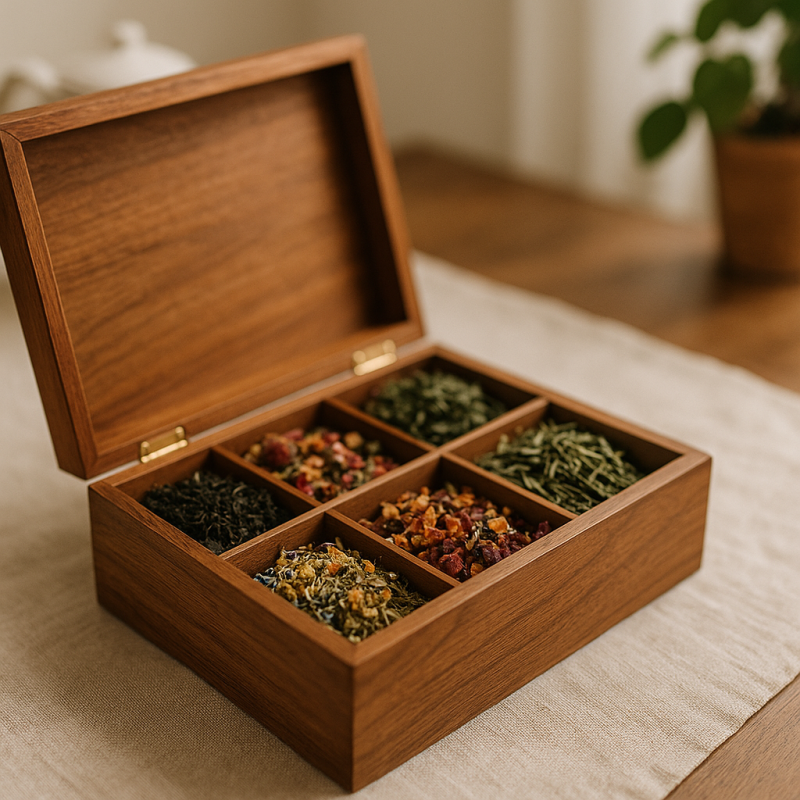
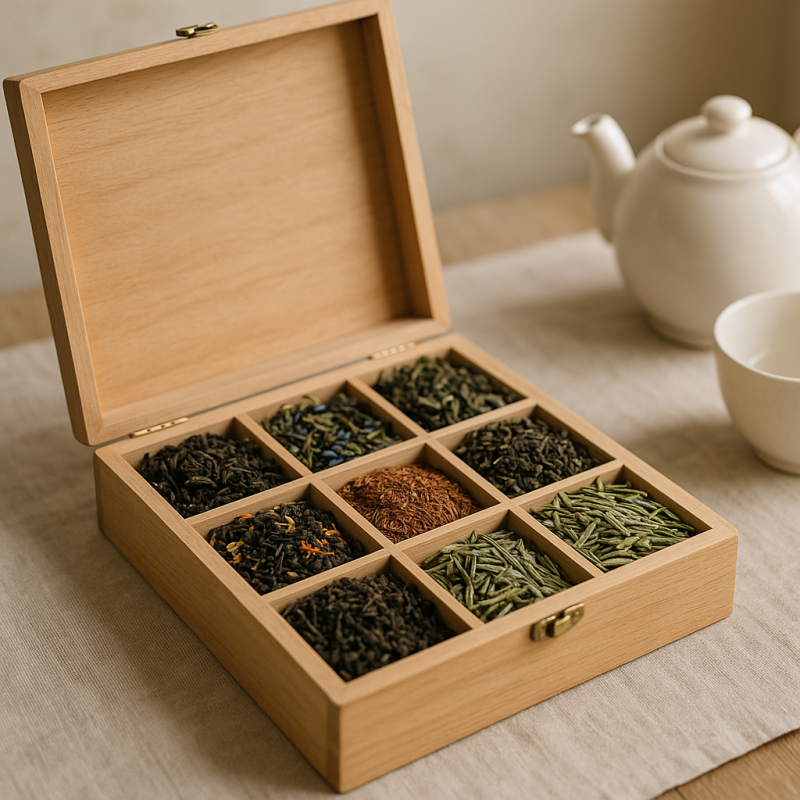
Imagine holding a small tin from your calendar. Upon opening it, you are greeted not by a paper pouch, but by the sight of whole, unbroken tea leaves—perhaps tightly rolled oolong pearls, silvery white tea buds, or the wiry twists of a fine black tea. The aroma that escapes is immediate, complex, and a true representation of the leaf’s character. Herein lies the fundamental argument for loose-leaf tea.
When tea leaves are kept whole, they retain their essential oils. These oils are the wellspring of both flavor and aroma. During infusion, the whole leaves have ample room to unfurl and expand, a process often called the “agony of the leaf.” A beautiful, slow dance in the hot water allows for a full, nuanced extraction of their character (Verdant Tea, 2023). The resulting cup possesses a depth and complexity that is rarely matched by its bagged counterpart. You taste not just a generic “tea” flavor, but the subtle notes of the terroir, the specific cultivar, and the craft of the tea master who processed it. The experience becomes a daily lesson in sensory perception.
The Position of the Tea Bag
The tea bag, on the other hand, was born from a desire for convenience. Its primary appeal is its simplicity: one bag, one cup, minimal cleanup. For many, especially those with a fast-paced lifestyle, its utility is undeniable. However, we must examine what is often sacrificed for this convenience.
Most conventional tea bags contain fannings or dust—the small, broken remnants of tea leaves left over from the production of higher-grade teas. Because these particles are so small, they have a larger surface area relative to their volume. This leads to a very rapid, but often one-dimensional, infusion. The delicate essential oils have long since dissipated from these broken pieces, and the resulting brew can be astringent and bitter, dominated by tannins rather than complex flavor compounds (Graham, 1992). While premium, “pyramid” style tea bags have emerged that allow for larger leaf pieces, they still confine the leaves and can never fully replicate the freedom of a loose-leaf infusion.
A Comparative Framework
To make a truly informed decision, it helps to place these two forms side-by-side and evaluate them across several dimensions of the tea experience. A tea advent calendar is, after all, an investment in a daily experience, so the nature of that experience matters deeply.
| Feature | Loose-Leaf Tea | Tea Bag (Fannings) |
|---|---|---|
| Flavor & Aroma | Complex, nuanced, and aromatic, reflecting the tea’s origin and craft. | Often one-dimensional, astringent, and lacking in aromatic depth. |
| Brewing Ritual | An engaging, mindful process involving measuring leaves and observing the infusion. | A quick, convenient process focused on speed and minimal effort. |
| Leaf Quality | Typically whole or large-leaf pieces, ensuring maximum retention of essential oils. | Consists of small, broken “fannings” or “dust,” which lose flavor quickly. |
| Freshness | Retains freshness longer due to the integrity of the whole leaf. | Stales very quickly once the box is opened due to high surface area. |
| Environmental Impact | Leaves are compostable. Packaging can be minimal and recyclable. | Bags may contain plastics (non-biodegradable), staples, and strings. |
As the table illustrates, the choice between loose-leaf and tea bags in a tea advent calendar is a choice between a rich, sensory ritual and streamlined convenience. For someone truly wishing to explore the world of tea, a loose-leaf calendar offers a far more authentic and educational pathway. It invites you to slow down, to engage with the material, and to appreciate the profound difference that leaf integrity makes. Exploring a collection of high-quality loose-leaf teas can be a revelation, and a calendar is a perfect, structured way to begin that journey.
Factor 2: The Spectrum of Variety: Navigating Curation and Tea Types
Having settled on the form of the tea, we next turn our attention to the contents themselves. What lies behind those 24 little doors? A tea advent calendar is a promise of discovery, a miniature expedition through the vast world of Camellia sinensis. The quality of that expedition hinges entirely on the curation of the teas within. A thoughtfully assembled collection can be an enlightening journey, while a random assortment may leave you feeling adrift.
The Single-Theme Calendar
Some calendars adopt a focused approach, dedicating their 24 days to a single category of tea. You might find a calendar devoted entirely to black teas, exploring the spectrum from a malty Assam to a smoky Lapsang Souchong and a delicate Darjeeling. Another might focus on green teas, showcasing the differences between a pan-fired Chinese Dragon Well and a steamed Japanese Sencha.
These single-theme calendars are wonderful for the enthusiast who already has a preferred category and wishes to deepen their knowledge within it. They act as a masterclass, allowing for a comparative tasting that highlights the subtle, yet significant, variations that terroir, cultivar, and processing can impart upon a single type of tea (Duckler, 2022). For a student of oolongs, for instance, a calendar that moves from a lightly oxidized, floral Tie Guan Yin to a heavily roasted, mineralic Da Hong Pao is an invaluable educational experience.
The ‘Around the World’ Medley
More common is the medley-style calendar, which aims to provide a broad overview of the major tea types. Over 24 days, you might travel from a white tea from Fujian, to a green tea from Japan, an oolong from Taiwan, a black tea from Sri Lanka, and perhaps even a fermented Pu-erh from Yunnan. The collection may also be interspersed with herbal tisanes—caffeine-free infusions of flowers, herbs, and spices like chamomile, mint, or rooibos.
This approach is exceptionally well-suited for the newcomer to tea, or for the adventurous drinker who delights in variety. It is a true advent calendar in the spirit of discovery, where each day brings something genuinely new and unexpected. The challenge for the producer of such a calendar is to create a logical and pleasant progression. A well-curated medley does not jump erratically between flavors; instead, it might guide the taster gently, perhaps moving from lighter teas to more robust ones as the month progresses, or grouping teas by region or flavor profile for a few days at a time.
The Role of Curation
The term “curation” is vital here. It is the difference between a box of 24 random tea samples and a cohesive, narrative experience. Think of the curator as your guide on this 24-day journey. Have they considered the flow of the experience? Does the selection tell a story?
A superior tea advent calendar will demonstrate intentionality. Perhaps it includes tasting notes that explain the origin and character of each day’s tea. It might offer brewing instructions tailored to each specific variety, recognizing that a delicate white tea should not be treated the same as a robust black tea (Maya Tea, 2022). This educational component transforms the calendar from a simple product into a learning tool. It respects the tea and empowers the drinker to get the most out of each cup. When evaluating a calendar, ask yourself: Does this feel like a thoughtful collection assembled by someone who loves and understands tea? Or does it feel like a marketing exercise? The answer will be evident in the details.
Factor 3: The Question of Quality and Provenance
As we peel back the layers of what makes a tea advent calendar truly special, we arrive at the heart of the matter: the intrinsic quality of the tea leaves themselves. A beautiful box and a clever concept are meaningless if the tea inside is mediocre. Discerning the quality of tea you cannot yet see or taste requires a different kind of perception—it requires you to become a detective, looking for clues about the tea’s origin, or provenance.
Beyond the Name: Understanding Origin
A label that simply says “Green Tea” tells you very little. A label that says “2026 First Flush Dragon Well, West Lake, Hangzhou” tells you a story. Provenance is the history of a tea’s journey from the bush to your cup. It encompasses the geographical location, the specific tea garden, the cultivar of the tea plant, the season of harvest (“flush”), and the methods used to process it.
High-quality tea producers are proud of their provenance and share it openly. When considering a tea advent calendar, look for this transparency. Does the company name the specific regions or even the estates from which their teas are sourced? Brands like and have built their reputations on sourcing directly from farmers and providing detailed information about each tea. A calendar that offers this level of detail signals a commitment to quality. It suggests that the teas inside were chosen for their unique character, not simply purchased as a commodity on the open market.
The Significance of ‘Single-Origin’
You may encounter the term “single-origin” or “single-estate.” This means the tea comes from one specific geographical location or one particular tea garden, rather than being a blend of teas from various places. Blends are not inherently bad—classic English Breakfast is a blend, for example—but single-origin teas offer a pure expression of a specific terroir. They are like a snapshot of a particular time and place.
A tea advent calendar that features a high proportion of single-origin teas is offering a truly remarkable tasting experience. It allows you to explore the concept of terroir firsthand. You can taste the difference between a black tea grown in the high mountains of Sri Lanka and one grown in the lowlands of Assam. You begin to develop a palate that can identify regional characteristics. This is the path to becoming a true tea connoisseur, and a well-designed calendar can be your first step.
Assessing Quality Through Indirect Clues
Without tasting the tea, how can you judge its quality? Look for these indicators:
- Leaf Grade: For loose-leaf teas, does the description mention the leaf grade (e.g., “Tippy Golden Flowery Orange Pekoe” for black teas) or describe the appearance (“whole, unbroken leaves”)? This indicates an attention to detail.
- Harvest Time: Is the harvest season mentioned? For many teas, especially greens and whites, the “first flush” (first harvest of spring) is the most prized for its delicate flavor and potent aromatics. A calendar that specifies this is offering a premium product.
- Farmer Relationships: Does the company talk about its relationships with the people who grow the tea? Ethical and direct sourcing often correlates with higher quality, as it fosters a partnership based on quality rather than just volume (Rare Tea Company, 2024).
- Brand Reputation: Does the brand specialize in tea? A company whose entire focus is on sourcing and selling high-quality tea, like , is more likely to produce a superior tea advent calendar than a generic gift company that happens to sell one.
Ultimately, choosing a calendar with high-quality, transparently sourced teas is an act of respect—for the farmers who grew the tea, for the craft involved in its production, and for your own palate. It elevates the daily ritual from a simple drink to an appreciation of agricultural art.
Factor 4: The Experience Beyond the Tea: Packaging and Sustainability
Our interaction with a tea advent calendar begins long before we taste the first cup. It starts with the physical object itself. The design, the materials, and the environmental conscience embodied in the packaging are integral parts of the overall experience. In 2026, a consumer’s decision is often guided as much by aesthetics and ethics as it is by the product within. A truly exceptional calendar must therefore satisfy the senses and the conscience simultaneously.
The Unboxing Ritual and Aesthetic Appeal
The advent calendar is a piece of holiday decor, an object that will sit in your home for the better part of a month. Its aesthetic appeal is not a trivial concern. The act of opening a small door or drawer each day is a tactile ritual. Does the packaging enhance this ritual?
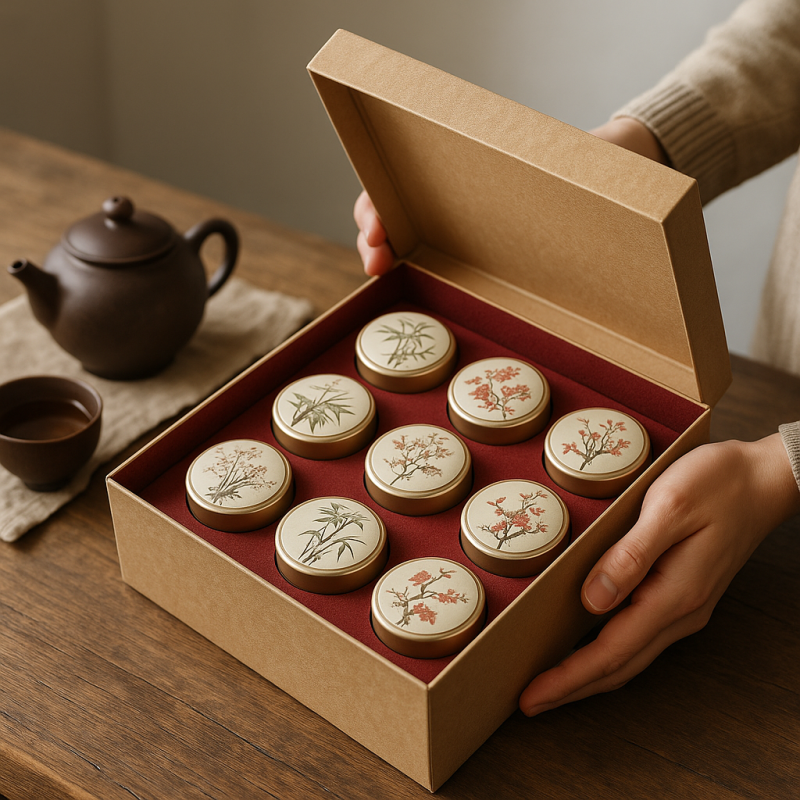
Look at the design. Does it evoke a sense of festive anticipation and wonder? Is the construction sturdy and the printing of high quality? Some calendars are elaborate, multi-layered constructions that are a joy to interact with. Others are minimalist and elegant, focusing on clean lines and beautiful typography. There is no single “correct” style, but the packaging should feel intentional and well-crafted. It should feel like a special object, worthy of the 24 moments of discovery it contains. A poorly designed, flimsy box can diminish the perceived value of the teas inside before you even begin.
The Growing Importance of Sustainable Packaging
The pleasure derived from a beautiful object can be quickly soured by the guilt of its environmental impact. A traditional advent calendar, with its plastic trays and non-recyclable components, can generate a surprising amount of waste. As awareness of this issue grows, so does the demand for sustainable alternatives.
When evaluating a tea advent calendar, consider its entire life cycle.
- Materials: Is the box made from recycled cardboard or FSC-certified paper? Are the individual tea containers (tins, pouches, or boxes) recyclable or reusable? Avoid calendars that rely heavily on single-use plastics.
- Reusability: Is the calendar designed to be used for more than one year? Some calendars consist of a beautiful wooden or sturdy cardboard box with numbered drawers that can be refilled in subsequent years. This transforms the calendar from a disposable item into a lasting holiday tradition. While the initial investment may be higher, the long-term value and reduced environmental footprint are significant.
- Minimalism: Does the packaging feel excessive? Sometimes, the most sustainable option is the one that uses the least amount of material. A simple, elegant design can be more environmentally friendly than an overly elaborate one.
Choosing a sustainably packaged tea advent calendar is a vote for a more responsible industry. It sends a message to producers that consumers care about the planet as much as they care about the product. The best daily ritual is one that can be enjoyed without reservation, and for many, that means knowing it was created with respect for the environment.
Factor 5: The Value Proposition: An Analysis of Price, Quantity, and Worth
A tea advent calendar is an indulgence, a festive treat. Yet, even with treats, we are inclined to consider their value. The price tag on a calendar can range dramatically, from a modest sum to a significant investment. How do we determine if a particular calendar is “worth it”? The answer lies not in the price alone, but in a thoughtful analysis of what you receive for your money. We must move beyond the simple cost and examine the deeper value proposition.
Deconstructing the Cost: Price Per Cup
The most straightforward way to begin assessing value is to calculate the cost per serving. To do this, you need two pieces of information: the total price of the calendar and the amount of tea provided for each of the 24 days.
Most loose-leaf tea servings are between 2 and 3 grams. A calendar that provides 24 servings of 2.5 grams each contains a total of 60 grams of tea. If that calendar costs $60, the price per gram is $1, and the cost per cup is $2.50. Now, you have a concrete metric that you can use for comparison.
Let’s imagine three different calendars to see how this plays out.
| Calendar Type | Total Price | Total Tea (grams) | Cost per Gram | Approx. Cost per Cup | Notes |
|---|---|---|---|---|---|
| Budget Tea Bag Calendar | $25 | 48g (24 x 2g) | $0.52 | $1.04 | Likely contains lower-quality tea dust/fannings. |
| Mid-Range Loose-Leaf | $70 | 72g (24 x 3g) | $0.97 | $2.91 | Good quality loose-leaf, offering a balanced value. |
| Premium Single-Origin | $120 | 60g (24 x 2.5g) | $2.00 | $5.00 | Exceptional, rare, or competition-grade teas. Value is in the experience. |
This analysis reveals that the cheapest calendar is not necessarily the best value if your goal is to drink high-quality tea. The cost-per-cup calculation allows you to compare different options on a level playing field and decide where your priorities lie.
The Intangible Value: Experience and Discovery
However, a purely mathematical approach is insufficient. A tea advent calendar is not just a way to buy 60 grams of tea; it is a way to purchase an experience. The value is also in the curation, the discovery, the packaging, and the daily ritual.
Consider the premium calendar in our table. A $5.00 cup of tea might seem expensive, but what if that tea is a rare, single-harvest oolong that would cost $20 for a small 25-gram tin if purchased alone? The calendar, in this case, provides an accessible way to sample 24 such teas without committing to buying a full package of each. The value is in the access and the curated exploration.
The daily surprise and the joy of the countdown have an emotional value that cannot be quantified in dollars and cents. How much is that daily moment of quiet reflection worth to you during a busy holiday season? When you consider a calendar’s price, factor in this intangible, experiential value. A calendar that provides 24 days of genuine delight and learning can be a worthwhile investment, even if its cost per gram is higher than what you might normally spend on tea. It is more than a beverage; it is a curated journey, and journeys have a value all their own. For many, finding such a collection in the form of thoughtful tea gifts is part of the joy of the season.
Factor 6: The Pursuit of Knowledge: Educational Content and Ancillary Materials
A cup of tea is a momentary pleasure. An understanding of that tea is a pleasure that lasts a lifetime. A truly superior tea advent calendar recognizes this distinction. It aims not just to provide a beverage, but to enrich the drinker’s knowledge and deepen their appreciation for the vast and complex world of tea. The inclusion of educational content and thoughtful extras can transform a simple countdown into a 24-day immersive course in tea appreciation.
The Power of Tasting Notes and Brewing Guides
Imagine opening the fifth door of your calendar. Inside is a small packet of dark, twisted leaves. Without any information, you might simply steep them in boiling water for a few minutes and drink the result. Now, imagine the same packet is accompanied by a small card.
The card tells you: “This is Da Hong Pao (Big Red Robe), a famous rock oolong from the Wuyi Mountains in Fujian, China. It was hand-processed and charcoal-roasted by the Li family. Expect notes of orchid, dark chocolate, and a distinct mineral finish known as ‘yan yun’ or rock-rhyme.” It then provides specific brewing instructions: “Infuse 3g of leaf in 150ml of 95°C (203°F) water. First infusion: 15 seconds. Second infusion: 20 seconds. This tea can be re-steeped 5-7 times, with each infusion revealing new layers of flavor.”
The difference in experience is profound. The information provides context, guiding your palate and helping you identify the specific flavor notes the tea master intended to create. The tailored brewing instructions ensure you are extracting the tea’s full potential, avoiding the common pitfalls of over- or under-steeping (Verdant Tea, 2023). This educational component is a sign of immense respect for both the tea and the consumer. It elevates the act of drinking to an act of tasting and learning. When choosing a calendar, look for the presence of this kind of detailed information.
Beyond the Basics: Stories and Interactive Elements
The best tea advent calendars go even further. They understand that tea is not just a product of agriculture; it is a product of culture. The ancillary materials might include:
- Stories of Origin: Short narratives about the tea gardens, the farmers, or the legends associated with a particular tea. Learning the story behind a tea like Tie Guan Yin (Iron Goddess of Mercy) adds a layer of romance and history to the cup.
- QR Codes: A modern, efficient way to deliver rich content. A QR code on each day’s packaging could link to a webpage or video featuring the tea’s origin, a guided tasting session with a tea master, or even a virtual tour of the tea garden.
- A Tasting Wheel or Journal: Some calendars might include a printed tea tasting wheel to help you identify and articulate aromas and flavors. Others might provide a small journal for you to record your own notes for each of the 24 teas. These tools encourage active, mindful tasting.
- Ancillary Items: Occasionally, a calendar might include a small surprise, like a perfect-cup tea scoop, a small tea strainer, or a sample of honey, to complement the experience.
When a calendar includes these elements, it is demonstrating a holistic understanding of the tea experience. It is not just selling you tea; it is inviting you into a community and a culture. It is providing you with the tools to continue your journey of tea discovery long after the 24 days are over.
Factor 7: The Art of Gifting: Presentation and Personalization
While many of us purchase a tea advent calendar for our own enjoyment, it is also an exceptionally popular and thoughtful gift. However, the art of giving the right calendar requires a shift in perspective. We are no longer choosing for ourselves, but for another person, with their unique tastes, habits, and level of tea knowledge. Selecting the perfect calendar as a gift is an exercise in empathy and observation.
Matching the Calendar to the Recipient
The first step is to consider the recipient’s relationship with tea.
- The Tea Novice: For someone who is new to the world of specialty tea, a medley-style calendar is an ideal introduction. Choose one that offers a broad range of tea types (black, green, oolong, white, herbal) and, crucially, includes clear and simple brewing instructions. A loose-leaf calendar can still be a great choice, but it might be wise to pair it with a simple infuser basket to make the transition from tea bags easy. The focus should be on discovery and accessibility.
- The Casual Enthusiast: This person enjoys good tea but may not have delved deeply into the nuances. They might appreciate a calendar that has a mix of familiar favorites and intriguing new options. A calendar with a strong aesthetic appeal and perhaps some fun, flavored blends alongside classic single-origin teas could be a perfect fit.
- The Dedicated Connoisseur: For the person who already has a well-stocked tea cabinet and can discuss the merits of different oolong roasting techniques, a more specialized calendar is in order. A single-theme calendar focusing on their favorite tea type, or a premium calendar featuring rare, single-estate, and competition-grade teas would be deeply appreciated. Look for calendars that provide extensive detail on provenance and processing—this is the information a connoisseur craves.
The Importance of Presentation
When giving a gift, the presentation is part of the message. A beautifully designed and packaged tea advent calendar communicates care and thoughtfulness before the first door is even opened. Consider the aesthetic preferences of the person you are gifting to. Would they prefer something modern and minimalist, or something traditional and festive?
The “unboxing experience” is a significant part of modern gift-giving. A calendar that is a joy to look at and interact with enhances the overall gift. If you are shipping the gift, ensure the company packages it securely to arrive in perfect condition. Some companies may even offer gift-wrapping services or the option to include a personalized note, adding that final, crucial touch. Giving a tea advent calendar is giving the gift of 24 small moments of peace and pleasure, and a beautiful presentation sets the stage for that experience perfectly.
Frequently Asked Questions (FAQ)
When is the best time to purchase a tea advent calendar?
The ideal time to purchase is typically from late September to early November. Many specialty tea companies produce a limited quantity, and the most popular or unique calendars can sell out quickly. Buying early ensures you have the best selection and that your calendar arrives well before December 1st.
How should I store the teas from the calendar once opened?
Tea is sensitive to light, air, moisture, and strong odors. If the calendar’s individual containers are not airtight (e.g., paper envelopes), it is best to transfer each day’s tea to a small, airtight tin or resealable pouch after opening. Store them in a cool, dark, and dry place, away from spices or coffee.
I am new to loose-leaf tea. Are these calendars suitable for me?
Absolutely. A tea advent calendar can be the perfect introduction to the world of loose-leaf tea. Look for a “medley” style calendar that includes a variety of tea types and provides clear, simple brewing instructions for each one. It’s a guided tour that makes exploring easy and fun.
Are tea advent calendars a good value for the money?
Value is subjective. While the cost per cup may be higher than buying tea in bulk, the value of a calendar lies in the curated experience. It allows you to sample 24 different, often premium, teas without committing to a full package of each. The daily ritual, discovery, and educational components provide an intangible value that many find well worth the price.
Can I find caffeine-free tea advent calendars?
Yes. Many companies offer calendars dedicated entirely to caffeine-free herbal tisanes. These are wonderful for those who are sensitive to caffeine or who enjoy having a warm, calming drink in the evening. You can also find medley calendars that include a mix of caffeinated teas and caffeine-free herbals.
What is the difference between an “advent calendar” and a “tea tasting collection”?
Functionally, they can be very similar. An advent calendar is specifically designed for a daily countdown, usually for the 24 days leading up to Christmas. A “tasting collection” might have a different number of teas (e.g., 10 or 12) and is not tied to a specific holiday timeline. However, both offer a curated way to sample multiple teas.
What brewing equipment do I need for a loose-leaf tea advent calendar?
At a minimum, you need a way to heat water and a vessel to steep the tea in that allows you to separate the leaves from the water. The simplest setup is a mug and a fine-mesh infuser basket. For a more traditional experience, you could use a small teapot or a gaiwan.
A Final Contemplation
Choosing a tea advent calendar is, in its own small way, a deeply philosophical act. It is a commitment to a daily ritual, a decision to carve out a few moments of quiet contemplation in a month often characterized by frantic activity. It is an investment not just in a product, but in an experience. By considering the form of the tea, the curation of the selection, the quality of the leaves, the ethics of the packaging, and the value of the knowledge offered, you are not merely buying a box of tea. You are designing a 24-day journey for your senses and your mind. You are choosing your guide, your curriculum, and your daily moment of peace. May your choice bring you 24 days of warmth, discovery, and delight.
References
Duckler, D. (2022). Different types of tea: Your guide to the perfect cup. Verdant Tea.
Graham, H. N. (1992). Green tea composition, consumption, and polyphenol chemistry. Preventive Medicine, 21(3), 334–350. (92)90041-F
Harbowy, M. E., & Balentine, D. A. (1997). Tea chemistry. Critical Reviews in Plant Sciences, 16(5), 415–480.
Maya Tea. (2022). Learn all about tea-history, health, types and how-to’s.
Mei Leaf. (2025). Mei Leaf.
Rare Tea Company. (2024). Rare Tea Company | Sustainable loose leaf teas, teaware and gifts.
Red Blossom Tea Company. (2017). Red Blossom Tea Company.
Verdant Tea. (2023). How to steep tea: The complete guide.
Zen’s Tea House. (2025). Why Zen’s tea.