Blog
A Buyer’s Guide to Good Black Tea: 5 Proven Factors for Your 2026 Collection


Abstract
This analysis provides a comprehensive framework for discerning the qualities of superior black tea in 2026. It moves beyond subjective preference to establish objective criteria for evaluation, examining the intricate relationship between agricultural origins and final cup character. The discourse systematically investigates five pivotal factors: the influence of terroir, including geography and climate; the structural information conveyed by leaf grading and appearance; the transformative role of processing, with a focus on oxidation; the significance of freshness and proper storage protocols; and the final, crucial act of brewing as an expression of the tea’s inherent potential. By dissecting each component, this guide equips both novices and connoisseurs with the conceptual tools necessary to identify and appreciate a genuinely good black tea. The objective is to cultivate a more profound understanding of the journey from leaf to cup, fostering a deeper, more informed engagement with one of the world’s most complex beverages.
Key Takeaways
- Understand that terroir—soil, climate, and altitude—is the foundation of a tea’s unique flavor profile.
- Prioritize whole, unbroken loose leaves, as they offer more complexity than broken grades found in most tea bags.
- Recognize that masterful processing, especially controlled oxidation, creates the deep, nuanced flavors of good black tea.
- Always check for freshness, indicated by a vibrant aroma, and store your tea away from light, air, and moisture.
- Experiment with brewing variables like water temperature and steep time to unlock a tea’s full potential.
- Source your tea from vendors who provide transparent information about the tea’s origin and harvest date.
- Explore different black tea regions to discover the vast spectrum of flavors the world of tea has to offer.
Table of Contents
- A Buyer’s Guide to Good Black Tea: 5 Proven Factors for Your 2026 Collection
- Factor 1: The Foundational Importance of Terroir and Origin
- Factor 2: Decoding the Language of the Leaf—Grade and Appearance
- Factor 3: The Alchemical Transformation of Processing
- Factor 4: The Transient Virtue of Freshness and the Wisdom of Storage
- Factor 5: The Final Dialogue—Unlocking Quality Through Brewing
- Frequently Asked Questions (FAQ)
- A Final Thought on the Pursuit of Quality
- References
A Buyer’s Guide to Good Black Tea: 5 Proven Factors for Your 2026 Collection
The pursuit of a truly good black tea can feel like navigating a vast and often opaque landscape. One is confronted with a dizzying array of names, origins, and descriptions, from the malty depths of an Assam to the floral heights of a Darjeeling first flush. How does one begin to distinguish the exceptional from the merely adequate? The answer lies not in memorizing brand names or price points, but in developing a functional understanding of the elements that collectively give rise to quality. It is a form of practical wisdom, an ability to perceive the story a tea tells through its leaves, its aroma, and its taste.
This guide is structured as an educational journey, breaking down the complex world of black tea into five discernible factors. Think of these not as a rigid checklist, but as lenses through which you can view and assess any black tea you encounter. We will begin with the earth itself, exploring how a tea’s place of origin shapes its very soul. We will then learn to read the leaves themselves, understanding what their form and integrity tell us. From there, we will examine the human element of craftsmanship, the transformative process that turns a green leaf into the dark, fragrant treasures we seek. Finally, we will consider the roles of time, storage, and the final act of brewing, which can either honor or diminish all the work that has come before. By engaging with these principles, your ability to select and appreciate a good black tea will be profoundly enriched.
Factor 1: The Foundational Importance of Terroir and Origin
Before a single leaf is plucked or processed, its destiny is already being written by the land. The concept of terroir, a term borrowed from the world of wine, is the single most significant factor in a tea’s intrinsic quality. It refers to the complete natural environment in which a particular tea is produced, including factors such as the soil’s composition, the topography of the land, the specific climate, and the altitude. A tea plant, Camellia sinensis, is a remarkable sponge, absorbing the character of its surroundings and expressing it in the final cup. To understand terroir is to understand that a good black tea is not merely made; it is grown. It is an agricultural poem composed by sun, rain, and earth (Verdant Tea, 2022).
When we speak of teas from Assam, Darjeeling, or Keemun, we are speaking of terroir. A tea plant from Darjeeling, moved and grown in the lowlands of Assam, would not produce a Darjeeling tea. It would produce an Assam tea with a Darjeeling cultivar’s accent. The place is paramount. Companies like and build their entire philosophy around this principle, sourcing directly from specific farms and tea gardens because they know that quality is inextricably linked to a unique place on the map.
The Influence of Climate and Altitude
Imagine the life of a tea plant in two different environments. In a hot, humid lowland with abundant rainfall, like the Brahmaputra River valley in Assam, India, the plant grows quickly and vigorously. This rapid growth produces leaves that are robust and rich in the chemical compounds that yield a strong, malty, and brisk flavor profile. These are the classic characteristics of a good Assam black tea, perfect for a morning brew that needs to stand up to milk and sugar (TeaSource, 2022).
Now, contrast this with a tea plant clinging to the steep, misty slopes of the Himalayas in Darjeeling. Here, at high altitudes, the air is cool, the sunlight is filtered through clouds, and the plant grows much more slowly. This slower growth concentrates delicate aromatic compounds in the leaves. The stress of the cool environment forces the plant to produce more polyphenols, which contribute to a complex, nuanced flavor. The resulting tea is lighter in body, with floral, fruity, and muscatel notes that are prized for their subtlety. This is why a Darjeeling “first flush,” harvested in the spring after the plant’s winter dormancy, is one of the most sought-after and expensive teas in the world. Its character is a direct reflection of its high-altitude, cool-climate struggle.
Soil Composition and Regional Varietals
The earth beneath the plant is just as important. The acidic, mineral-rich soils of the Wuyi Mountains in China contribute to the famous yan yun or “rock rhyme” of its oolongs and black teas—a distinct mineral-like feeling and long-lasting finish in the mouth. Similarly, the iron-rich red soil of Yunnan province in China provides the foundation for the deep, sweet, and earthy notes of its Dian Hong black teas.
Furthermore, over centuries of cultivation, specific varietals (or cultivars) of the Camellia sinensis plant have been developed or have naturally adapted to thrive in these unique environments. The broad-leaf Camellia sinensis var. assamica is native to Assam and is perfectly suited to its warm, wet climate. The small-leaf Camellia sinensis var. sinensis is more cold-tolerant and is the parent of most Chinese and Darjeeling teas. When you taste a good black tea, you are tasting a perfect marriage of a specific plant varietal with its ideal environment. The table below offers a simplified guide to how terroir shapes the character of black teas from some of the world’s most renowned regions.
| Region | Dominant Varietal | Key Terroir Factors | Typical Flavor Profile |
|---|---|---|---|
| Assam, India | C. sinensis var. assamica | Low altitude, high humidity, heavy rainfall | Bold, malty, robust, brisk, often with notes of honey or dried fruit |
| Darjeeling, India | C. sinensis var. sinensis | High altitude (2,000-6,500 ft), cool, misty, steep slopes | Delicate, floral, fruity, muscatel grape, light body, complex astringency |
| Ceylon (Sri Lanka) | C. sinensis var. assamica | Varies by altitude (low, mid, high-grown) | Bright, crisp, citrusy, medium-bodied; high-growns are lighter, low-growns are stronger |
| Keemun, China | C. sinensis var. sinensis (Zhu Ye Zhong) | Lower altitude, humid, rich soil, slow oxidation | Winey, fruity, hints of pine and dried plum, floral aroma (osmanthus), smooth |
| Yunnan, China | C. sinensis var. assamica (large-leaf) | Sub-tropical, rich red soil, ancient tea trees | Sweet, earthy, notes of cocoa, sweet potato, and black pepper; smooth and full-bodied |
The Human Element in Terroir: Ethical and Sustainable Sourcing
In 2026, the concept of a good black tea must also encompass the human dimension of its origin. The finest teas often come from small, family-run farms where generations of knowledge are passed down. These farmers are not just cultivators; they are stewards of their land’s unique terroir. They understand the nuances of their microclimate and soil in a way that large, industrialized plantations cannot.
Therefore, a key indicator of quality is a seller’s transparency about their sourcing. When a company can tell you the name of the farm, the farmer, or the specific cooperative that produced the tea, as does with its partners, it signals a commitment to quality and a direct relationship with the source. This direct trade model ensures that farmers are paid fairly for their expertise and labor, which in turn allows them to invest in sustainable farming practices that protect the very terroir that makes their tea special. Deforestation, overuse of pesticides, and poor labor practices can all degrade the environment and, consequently, the quality of the tea. Choosing teas from sources that champion ethical and sustainable practices is not just a moral choice; it is a choice for a better-tasting, more vibrant tea that truly expresses the soul of its origin.
Factor 2: Decoding the Language of the Leaf—Grade and Appearance
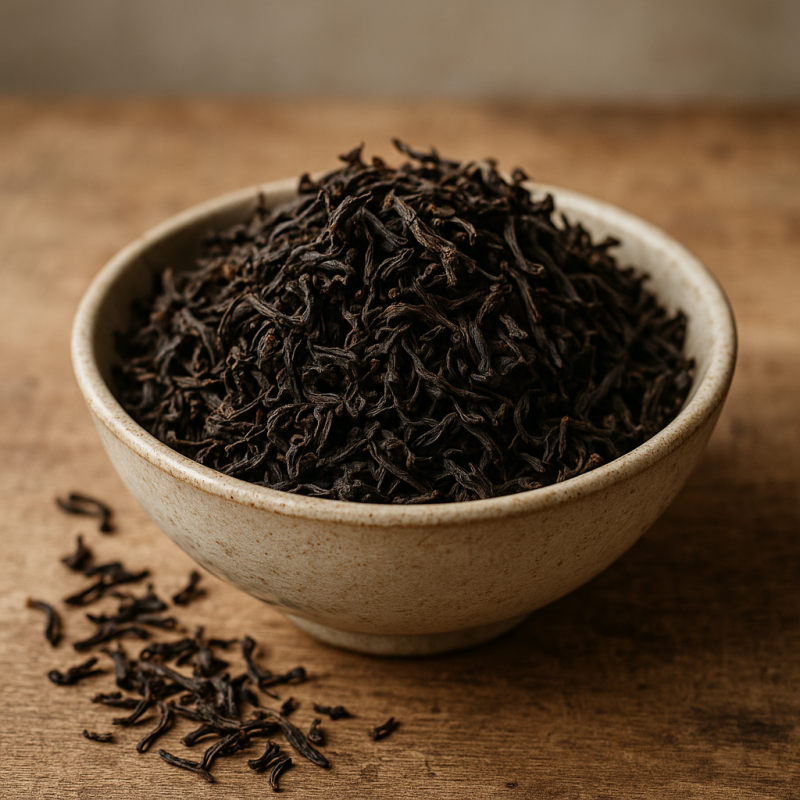
After terroir, the physical form of the tea leaf itself offers the most immediate clues to its quality. Before you even brew the tea, a close examination of the dry leaves can tell you a great deal about its potential character and how it was handled. For a good black tea, especially in the context of specialty loose-leaf tea, we are primarily looking for whole, well-formed leaves. The integrity of the leaf is a direct indicator of both the care taken during processing and the flavor potential locked within.
The world of black tea grading can be complex, filled with an alphabet soup of acronyms (like FTGFOP1), but the underlying principle is simple: whole leaves are generally superior to broken pieces. Why is this? A whole leaf has a smaller surface area relative to its volume. When steeped, it unfurls slowly, releasing its aromatic oils and flavor compounds in a controlled, nuanced manner over multiple infusions. Broken pieces, fannings (small particles), and dust, which make up the contents of most commercial tea bags, have a very large surface area. They infuse very quickly, releasing a blast of color and strong flavor, but this often comes with a one-dimensional taste and a high degree of astringency and bitterness. They exhaust their potential in a single, rapid steep (TeaSource, 2022).
Orthodox vs. CTC: Two Philosophies of Production
To understand leaf appearance, one must first understand the two primary methods of black tea production: Orthodox and CTC.
Orthodox production is the traditional, artisanal method. It is designed to keep the leaf as whole as possible throughout the process. Leaves are withered, rolled, oxidized, and dried in a way that preserves their shape and structure. This method is more labor-intensive and is used to produce the world’s finest specialty loose-leaf teas. When you see long, wiry, twisted, or tightly rolled black tea leaves, you are looking at an orthodox-processed tea. The goal is to create a tea with complex, layered flavors that evolve with each steeping.
CTC (Crush, Tear, Curl) is a modern, mechanized method developed in the mid-20th century to create a uniform product for the mass market, particularly for tea bags. In this process, withered leaves are fed into a machine with rollers that crush, tear, and curl them into small, hard pellets. This method is incredibly efficient and produces a tea that steeps quickly, creating a dark, strong liquor. While CTC serves its purpose for a fast, potent cup, it sacrifices the nuance, aromatic complexity, and re-steepability of orthodox-processed teas.
For anyone seeking a good black tea in the specialty sense, the choice is clear: orthodox-processed, whole-leaf tea is the path to a more profound and satisfying experience.
Reading the Leaves: What to Look For
When you have a sample of loose-leaf black tea in front of you, take a moment to observe it. Use your senses of sight and smell.
- Uniformity: Are the leaves relatively uniform in size and shape? While hand-processed teas will have some natural variation, a jumble of whole leaves, broken pieces, and dust suggests lower quality or poor handling.
- Wholeness: As discussed, the more whole and unbroken the leaves, the better. Look for long, wiry leaves (like a Keemun), or tightly rolled pearls.
- Tips or Buds: Do you see small, downy, often golden or silvery tips mixed in with the darker leaves? These are the unopened leaf buds of the tea plant. They are called “tips” because they are at the tip of the branch. These buds are rich in theanine, which imparts sweetness and a smooth mouthfeel, and they are lower in the catechins that cause astringency. A higher proportion of tips (often referred to as “golden tips” in black tea) is a hallmark of a high-quality, carefully plucked tea. Teas like “Golden Monkey” or top-grade Yunnan Dian Hong are prized for their abundance of these golden buds.
- Aroma: Bring the dry leaves to your nose. A good black tea should have a distinct and pleasant aroma. It might be floral, fruity, malty, chocolaty, or spicy. A weak or non-existent aroma suggests the tea is old and has lost its volatile aromatic compounds. A dusty or musty smell is a clear red flag indicating poor storage or age.
- Color and Bloom: The leaves should have a healthy, deep color—be it black, dark brown, or reddish-brown. Some teas may even have a subtle “bloom” or sheen, which indicates they are fresh and have been well-preserved. Dull, greyish, or faded-looking leaves are a sign of old age.
By taking a few moments to appreciate the dry leaf, you are engaging in the first step of the tasting process. You are gathering information and setting expectations, moving from a passive consumer to an active and informed connoisseur. Exploring the diverse world of loose leaf tea is the best way to train your senses to recognize these signs of quality.
Factor 3: The Alchemical Transformation of Processing
If terroir provides the raw potential, it is the craft of processing that unlocks it. The journey from a fresh, green leaf on a Camellia sinensis plant to the dark, fragrant leaf of a good black tea is a marvel of controlled biological and chemical transformation. The single most defining step in this journey is oxidation. Understanding this process is fundamental to appreciating what makes black tea distinct from all other tea types.
All tea leaves contain enzymes, primarily polyphenol oxidase and peroxidase. When the cell walls of the leaf are broken—through rolling or crushing—these enzymes are exposed to oxygen in the air. This triggers a chemical reaction, known as oxidation, that changes the composition of the polyphenols (often called tannins) in the tea. Simple polyphenols like catechins, which are responsible for the astringent, vegetal notes in green tea, are transformed into more complex compounds called theaflavins and thearubigins.
- Theaflavins are responsible for the brightness, briskness, and vibrant orange-red color of a black tea’s liquor. They contribute to the lively, mouth-puckering sensation that is characteristic of a good brew.
- Thearubigins are more complex and contribute to the tea’s body, depth, color (reddish-brown), and malty flavors.
The tea master’s skill lies in managing this oxidation process with precision. It is not simply a matter of letting the leaves turn brown. The duration, temperature, and humidity of the oxidation phase must be carefully controlled to achieve the desired balance of theaflavins and thearubigins, and thus the desired flavor profile (TeaSource, 2022).
The Steps of Black Tea Processing
While there are regional variations, the orthodox production of a good black tea generally follows these steps:
- Withering: After plucking, the fresh leaves are spread out to wither for several hours. This reduces their moisture content, making them soft and pliable for the next step. Withering also begins the breakdown of proteins into amino acids and increases the concentration of caffeine and catechins in the leaf, setting the stage for flavor development.
- Rolling: The withered leaves are then rolled. This crucial step serves two purposes: it breaks the cell walls within the leaf to initiate oxidation, and it shapes the leaves into their final form (e.g., wiry, twisted). Traditional methods involve gentle hand-rolling, while modern orthodox factories use rolling machines that mimic this action. The pressure and duration of rolling are carefully controlled to avoid generating too much heat or tearing the leaves excessively.
- Oxidation (or “Fermentation”): After rolling, the leaves are spread out in a cool, humid room to oxidize. This is the heart of the process. The tea master will monitor the leaves closely, smelling them and observing their color change from green to a coppery brown. For a lighter, more aromatic black tea like a Darjeeling, the oxidation might be shorter. For a deep, malty Assam, it will be longer. Stopping the oxidation at precisely the right moment is an art form learned through years of experience. The term “fermentation” is often used but is a misnomer, as the process does not involve microbes; it is a purely enzymatic reaction with oxygen.
- Drying (or “Firing”): To halt the oxidation process, the leaves are heated in an oven or dryer. This step deactivates the enzymes, reduces the moisture content to a stable level (around 2-3%), and locks in the flavor and aroma that have developed. The drying process itself can also contribute to the final flavor, sometimes adding subtle toasty or baked notes to the tea.
Craftsmanship: The Human Touch
In an era of increasing automation, the role of the tea master remains irreplaceable in the production of a truly good black tea. From deciding the exact moment to end the withering process to judging the aroma of the oxidizing leaves, their sensory expertise guides the entire transformation. This is what separates artisanal tea from a commodity product.
A skilled tea master can adapt the process to the specific conditions of the day—the quality of the fresh leaf, the ambient temperature, the humidity. They might choose to do a harder or softer roll, or extend the oxidation time slightly, to bring out the best in that particular batch of leaves. This level of attention and skill is why teas from the same garden can vary from season toseason, and even from day to day. When you purchase a tea from a source that values and highlights the craftsmanship of its producers, like , you are investing in this human element. You are tasting not just a plant and a place, but also a tradition of skill and a passion for quality. The final product is a testament to their ability to guide nature’s chemistry toward a delicious and complex conclusion.
Factor 4: The Transient Virtue of Freshness and the Wisdom of Storage
A tea may be born of an exceptional terroir and crafted by a master’s hand, but its quality is not immutable. Like any fine agricultural product, a good black tea has a peak, and its vibrancy is susceptible to the ravages of time and the elements. While some teas, like pu-erh, are intentionally aged, the vast majority of black teas are created to be enjoyed at their freshest. Freshness is a key, albeit transient, component of quality.
When a black tea is “fresh,” it means that its volatile aromatic compounds—the molecules responsible for its delightful floral, fruity, or spicy scent—are still abundant and intact. Over time, these compounds naturally dissipate, and the tea’s aroma will fade. The flavor may become flat, dull, or woody. A tea that once tasted of malt and honey might, after a year of poor storage, taste merely of dried leaves. Recognizing the signs of freshness and understanding how to preserve it are practical skills for any tea lover.
How to Assess Freshness
Your senses are your best tools for judging the freshness of a black tea.
- Aroma: As mentioned previously, the aroma of the dry leaf is a primary indicator. A fresh, good black tea will greet you with a clear, vibrant, and complex scent. If you have to struggle to detect an aroma, or if it smells faint and dusty, the tea is likely past its prime.
- Appearance: Fresh tea leaves often have a subtle luster or “bloom.” They look lively. Old tea leaves can appear dull, faded, or brittle.
- Harvest Date: This is the most objective measure of freshness. Reputable tea vendors who source directly from farms will almost always provide the harvest season and year (e.g., “Spring 2025,” “Autumn 2026”). For black teas, aim to consume them within 18-24 months of their harvest date for optimal flavor. While they do not “spoil” in the way that milk does, their quality diminishes significantly after this period. Lack of a harvest date is a major warning sign, suggesting the tea may have been sitting in a warehouse for an indeterminate amount of time.
The Enemies of Tea: Proper Storage
Once you have acquired a fresh, good black tea, your goal is to protect it from its five mortal enemies: air, light, moisture, heat, and strong odors.
- Air (Oxygen): Oxygen is the agent of oxidation. While it was essential during processing, continued exposure will cause the flavors to degrade and become stale. Your storage container must be airtight.
- Light: UV light breaks down the chemical compounds in tea, causing it to lose both flavor and aroma rapidly. This is why you should never store tea in clear glass or plastic containers. Opaque containers are a necessity.
- Moisture: Tea leaves are hygroscopic, meaning they readily absorb moisture from the air. This moisture can ruin the texture of the tea and, in the worst case, lead to the growth of mold. Store tea in a dry place, and never handle it with wet hands or utensils.
- Heat: Heat accelerates the chemical reactions that cause tea to go stale. Store your tea away from sources of heat like stoves, ovens, or sunny windowsills. A cool, dark cupboard or pantry is ideal. Do not store tea in the refrigerator or freezer, as the temperature fluctuations and condensation can introduce moisture.
- Odors: Tea is also an excellent absorbent of odors. Storing it near coffee, spices, or other strongly scented items will cause it to pick up those aromas, permanently tainting its original flavor. Dedicate a specific, neutral-smelling space for your tea collection.
The ideal storage vessel for a good black tea is an opaque, airtight container, such as a tin caddy or a ceramic jar with a good seal. It is best to buy tea in quantities you expect to use within a few months. By respecting the perishable nature of tea and providing it with a safe haven, you ensure that every cup you brew will be a true and vibrant expression of its origin and craft.
Factor 5: The Final Dialogue—Unlocking Quality Through Brewing
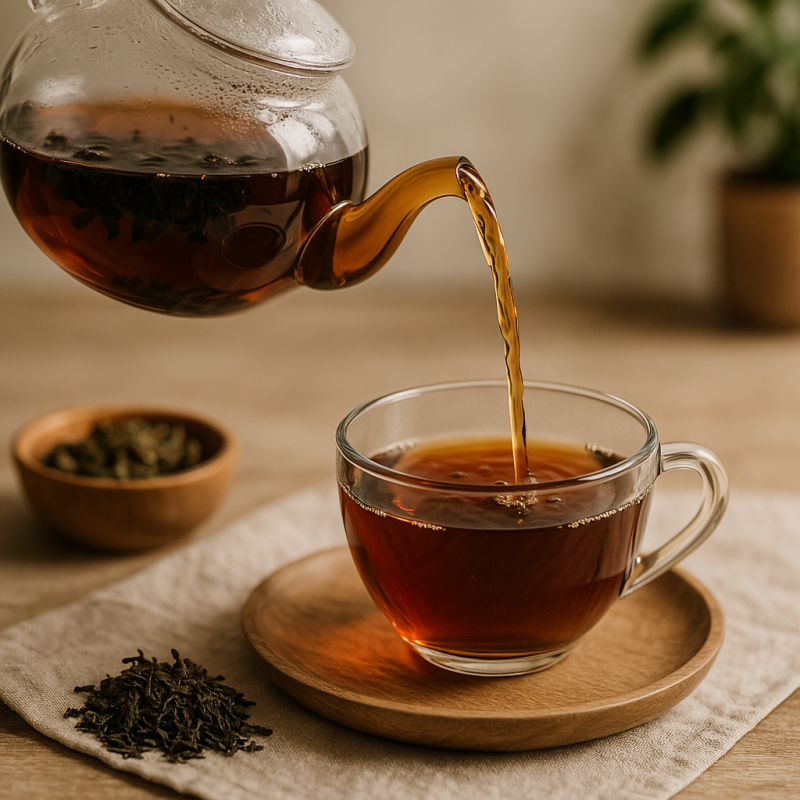
You have sourced a tea from a spectacular terroir, confirmed its whole-leaf integrity, appreciated its masterful processing, and protected its freshness. Now comes the final, intimate act: brewing. This is the moment of truth, where the tea’s stored potential is released into water and transformed into a sensory experience. Brewing is not a mere mechanical task; it is a dialogue with the tea. How you brew—the temperature of your water, the amount of leaf you use, the time you allow it to steep—will profoundly affect the final taste. Improper brewing can make a magnificent tea taste bitter and harsh, while thoughtful brewing can coax out its deepest complexities.
The three fundamental variables you control in this dialogue are water temperature, the leaf-to-water ratio, and steep time. Mastering the interplay between these three elements is the key to consistently brewing a delicious cup of good black tea (Verdant Tea, n.d.-a).
The Three Pillars of Brewing
- Water Temperature: Black teas are generally robust and benefit from hot water to extract their full range of flavors. For most black teas, water just off the boil, between 200°F and 212°F (93°C and 100°C), is ideal. Using water that is too cool may result in a weak, flat-tasting brew that lacks body and aromatic complexity. However, some more delicate black teas, especially those with many golden tips or certain first-flush Darjeelings, may benefit from a slightly lower temperature (around 195°F or 90°C) to avoid scorching the delicate buds and extracting excessive bitterness. The best approach is to start with the vendor’s recommendation and then experiment to suit your own palate.
- Leaf-to-Water Ratio: How much tea should you use? This depends heavily on your brewing style. For a “Western-style” infusion in a large mug or teapot (8-12 oz), a common starting point is 2-3 grams of tea (roughly one teaspoon of broken leaves or one tablespoon of large, wiry leaves). For a “Gongfu-style” infusion using a small teapot or gaiwan (3-5 oz), the ratio is much higher, often 5-7 grams of tea. The higher leaf-to-water ratio in Gongfu brewing allows for very short, concentrated infusions that can be repeated many times, revealing how the tea’s flavor evolves with each steep.
- Steep Time: This variable is inversely related to the other two. If you use hotter water or more leaf, you generally need less time. For a Western-style brew, a steep time of 3 to 5 minutes is typical. For a Gongfu-style brew, the first steeping might be as short as 10-20 seconds, with subsequent steeps increasing in duration. The greatest mistake in brewing black tea is over-steeping. Leaving the leaves in hot water for too long will extract an excess of tannins, resulting in an unpleasantly bitter and astringent cup. It is always better to start with a shorter steep time; you can always steep it for longer if you desire a stronger flavor, but you cannot undo the bitterness of an over-steeped tea.
A Practical Guide to Troubleshooting Your Brew
Sometimes, despite your best efforts, a brew does not turn out as expected. The table below provides a simple guide to diagnosing common issues and adjusting your technique.
| Issue | Potential Cause(s) | Suggested Adjustment(s) |
|---|---|---|
| Tea is too weak or watery | Not enough leaf; Water not hot enough; Steep time too short. | Increase the amount of tea leaf; Ensure water is at the correct temperature (200-212°F); Increase the steep time in 30-second increments. |
| Tea is too bitter or astringent | Steep time too long; Water temperature too high; Too much leaf. | Decrease the steep time significantly (try cutting it in half); For delicate teas, lower the water temperature; Reduce the amount of tea leaf slightly. |
| Tea tastes flat or one-dimensional | Water quality is poor; Tea is old; Water not hot enough. | Use filtered or spring water; Check the harvest date of your tea; Increase the water temperature to extract more complex flavors. |
The Importance of Good Water and Teaware
Two final considerations in your brewing practice are the water and the tools you use. Tea is over 98% water, so the quality of your water matters immensely. If your tap water has a strong chlorine taste or is excessively hard, it will mute the delicate flavors of your tea. Using filtered or quality spring water can make a dramatic difference.
While you don’t need elaborate equipment, using the right tools can make the process more enjoyable and precise. A simple basket infuser for your mug or a classic teapot allows the leaves to fully expand. For those wishing to explore the nuances of tea more deeply, investing in some quality teaware designed for brewing such as a gaiwan or a small Yixing clay pot can open up new dimensions of flavor. Brewing is the final step in honoring the journey of a good black tea. By approaching it with thought and care, you become an active participant in the creation of a beautiful and satisfying experience.
Frequently Asked Questions (FAQ)
What is the fundamental difference between black tea and green tea? The primary difference lies in the processing step of oxidation. After the leaves are picked and withered, leaves destined to become green tea are quickly heated (“fired” or “steamed”) to deactivate the enzymes that cause oxidation. This preserves their green color and fresh, vegetal flavor profile. Conversely, leaves for black tea are rolled to break their cell walls and then allowed to oxidize in a controlled environment. This enzymatic browning process transforms the chemical composition of the leaf, creating the characteristic dark color, malty aroma, and rich flavor of black tea.
Why is loose-leaf tea generally considered better than tea in bags? Loose-leaf tea is typically made from whole or large broken pieces of tea leaves (Orthodox processing), which retain more of their essential oils and aromatic compounds. They unfurl during steeping, releasing their flavor in a nuanced, controlled manner over multiple infusions. Most commercial tea bags contain “dust” and “fannings”—the smallest particles left over from tea processing (often from CTC production). These small particles have a large surface area, leading to a fast, strong, but often one-dimensional and bitter infusion. The bag itself can also restrict leaf expansion and sometimes imparts a papery taste.
Does black tea have the most caffeine of all tea types? This is a common misconception. Caffeine content in tea is influenced by many factors, including the specific tea plant varietal, the part of the plant used (young buds are often higher in caffeine), and the growing conditions. A delicate, shade-grown Japanese green tea like Gyokuro can have more caffeine than some black teas. However, because black tea is typically brewed with hotter water and for a longer duration than many green teas, the resulting cup of black tea often has a higher extracted caffeine level.
How long does black tea last? Is it okay to drink old black tea? While black tea does not “spoil” or become unsafe to drink, its quality degrades over time. For optimal flavor and aroma, it is best consumed within 18-24 months of its harvest date. After this, it will begin to taste flat, stale, and woody as its volatile aromatic compounds dissipate. You can drink old black tea, but it will be a shadow of its former self. Always store tea in an airtight, opaque container away from heat, light, moisture, and strong odors to preserve its freshness.
What does the “flush” in “first flush” or “second flush” Darjeeling mean? “Flush” refers to a period of new growth on the tea plant. In Darjeeling, the “first flush” is the very first harvest of the year, typically from late February to April, after the plant’s winter dormancy. These teas are highly prized for their delicate, floral, and vibrant character. The “second flush,” harvested from May to June, occurs after a period of warmer weather and produces teas with a more rounded, fruity, and classic “muscatel” flavor. There are also monsoon and autumnal flushes, each with its own distinct characteristics.
Is organic black tea always better quality? Not necessarily. “Organic” is a certification that refers to a specific set of agricultural practices, primarily the avoidance of synthetic pesticides and fertilizers. While these are commendable practices for environmental and health reasons, the organic certification itself is not a guarantee of superior flavor or craftsmanship. A non-certified tea from a small, family farm that practices sustainable, clean agriculture and employs masterful processing techniques can often be of higher quality than a mass-produced, certified-organic tea. Quality is a holistic concept involving terroir, craft, and farming practices, not just a single certification.
Can I re-steep my black tea leaves? Absolutely! High-quality, whole-leaf black tea is designed to be steeped multiple times. While the first infusion is often the strongest and most vibrant, subsequent infusions will reveal different facets of the tea’s character. The second steep might be softer and sweeter, while a third might reveal more of the underlying mineral or woody notes. Each infusion is a new conversation with the leaves. Teas made from dust and fannings, like those in tea bags, exhaust their flavor in the first steep and cannot be meaningfully re-infused.
A Final Thought on the Pursuit of Quality
The journey toward understanding a good black tea is, in essence, a cultivation of perception. It asks us to slow down and pay attention—to the story of a place told through its soil and rain, to the integrity of a leaf held in our hand, to the subtle shift in aroma as a tea oxidizes, and to the final bloom of flavor in a warm cup. It is an endeavor that rewards curiosity and patience.
The five factors outlined here—terroir, leaf grade, processing, freshness, and brewing—are not merely academic points. They are practical tools for navigating the world of tea with greater confidence and enjoyment. They empower you to ask better questions of your tea vendor, to make more informed choices, and to engage more deeply with what you drink. By moving beyond brand loyalty and toward an appreciation for these fundamental principles, you transform from a passive consumer into an active participant in a rich and ancient tradition. The quest for a good black tea ultimately leads not just to a better beverage, but to a more refined and attentive way of experiencing the world.
References
Duckler, D. (2022, March 1). Different types of tea: Your guide to the perfect cup. Verdant Tea.
Mei Leaf. (n.d.). Welcome to the revelation of true tea. Retrieved January 1, 2025, from
Rare Tea Company. (n.d.). The world’s best loose leaf tea – responsibly, sustainably and ethically sourced, direct from farmers and their tea gardens. Retrieved November 28, 2024, from
Red Blossom Tea Company. (n.d.). A heritage of taste. Retrieved May 24, 2017, from
TeaSource. (2022, September 6). Types of tea – the complete no-fluff guide.
Verdant Tea. (n.d.-a). How to steep tea: The complete guide. Retrieved May 31, 2023, from
Verdant Tea. (n.d.-b). Terroir and its influence on the flavor of tea. Retrieved from https://verdanttea.com/terroir-and-its-influence-on-the-flavor-of-tea-part-one/
Yamanishi, T., Kawakami, M., & Kobayashi, A. (1982). Aroma of and formation of the aroma of black tea and oolong tea. In International Symposium on the Chemistry of Tea. Japan Scientific Societies Press.
Zen’s Tea House. (n.d.). Bringing wellness to every cup. Retrieved April 17, 2025, from
Zhang, L., Li, N., & Ma, Z. (2017). Comparison of the volatile compounds of Keemun black tea from core and non-core producing areas. Journal of Food Science and Technology, 54(10), 3239–3247.